Weed control for wheat fields and other autumn cereals
Learn how to use mixed weed-control techniques for autumn cereals: combining agronomic strategies, herbicides, and mechanical operations for optimum weeding efficiency. ...

Adopt an integrated weed management or IWM strategy using chemical and mechanical methods to control weeds in field crops efficiently and sustainably.
A strategy for optimising weed control: this innovative method combines mechanical and chemical interventions to control weeds effectively. By marrying the benefits of these two approaches, IWM provides a concrete response to the weed-control challenges of the future:
Optimising herbicide efficiency: using both methods can be very effective in cases of heavy infestation, or when there is no chemical solution that really works.
Limiting weed resistance: alternating techniques reduces the risk of resistance developing. - Reducing your TFI’s: when done well, mechanical weeding reduces the need for chemical inputs, so strengthens your farm’s resilience.
Adapting to climatic conditions: having more than one weed-control method allows you to choose the most effective solution depending on the weather and stage of crop growth (dry/wet conditions).
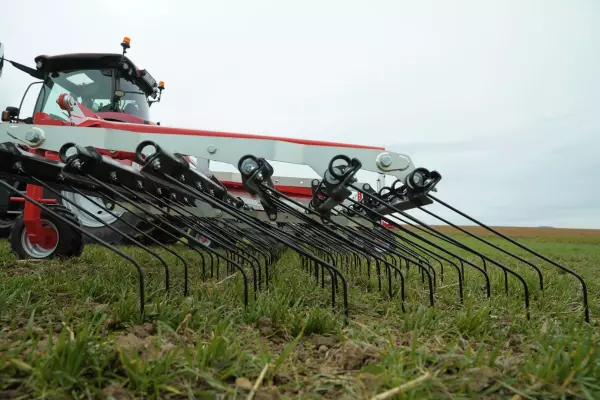
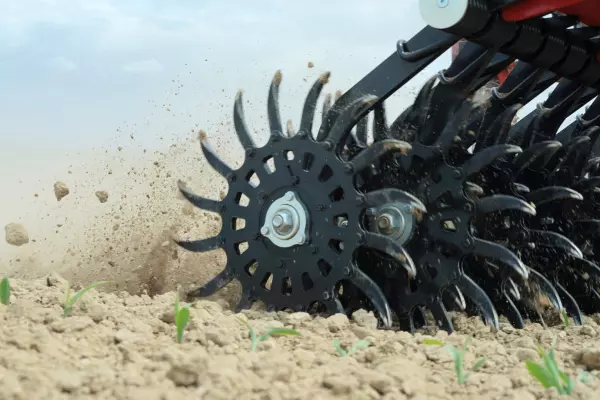
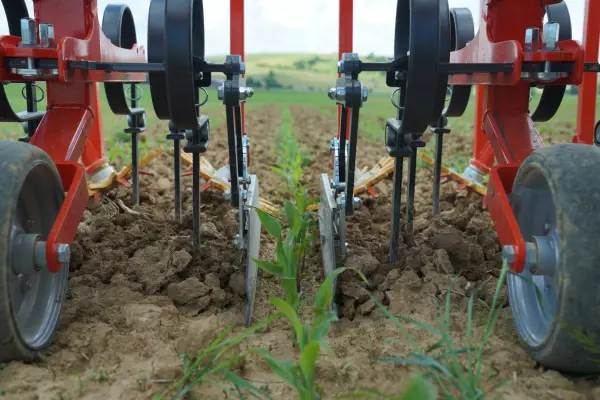
Integrated weed-control means integrating mechanical methods. Mechanical weeding, using a tine weeder, rotary hoe, row-crop cultivator, kills weeds without having to use herbicides.
Tine weeders are particularly effective on young weeds before emergence or at the cotyledon stage, while rotary hoes are suited to early stages and more difficult soils.
Row-crop cultivators work between crop rows, killing weeds and aerating the soil. To use this tool, seeding has to be precise, and in wide rows, to enable the tool to pass through.
The choice of tool depends on the type of soil, stage of weed growth, and the crop. Combining tools can give greater flexibility and increase intervention periods.
Crop-protection products are an important part of weed-control strategies in field crops. And using a mixed method can fulfill two objectives:
It is difficult to replace a chemical weed-control product for winter crops (rapeseed, winter cereals, etc.), because it keeps the plot clean until the spring. However, a pass with a tine weeder or row-crop cultivator, before using the chemical product, can help against product-resistant winter grasses (ryegrass and vulpine), or serious winter-weed infestations.
In spring, herbicides are not always effective for certain crops, such as sunflower or soya. In such cases, mixed strategies can give better results than purely chemical methods. Furthermore, mechanical weeding works well in dry conditions when crop-protection products are less effective due to a lack of moisture.
Mechanical weed-control is much more efficient in the spring. Favorable conditions allow crops to gain the upper hand over competition from weeds. As such, it is possible to replace herbicides with mechanical weeding in the spring.
To sum up, different strategies should be considered, depending on the type of crop, weather conditions, and the level of weed infestation on the plot.
Learn how to use mixed weed-control techniques for autumn cereals: combining agronomic strategies, herbicides, and mechanical operations for optimum weeding efficiency. ...
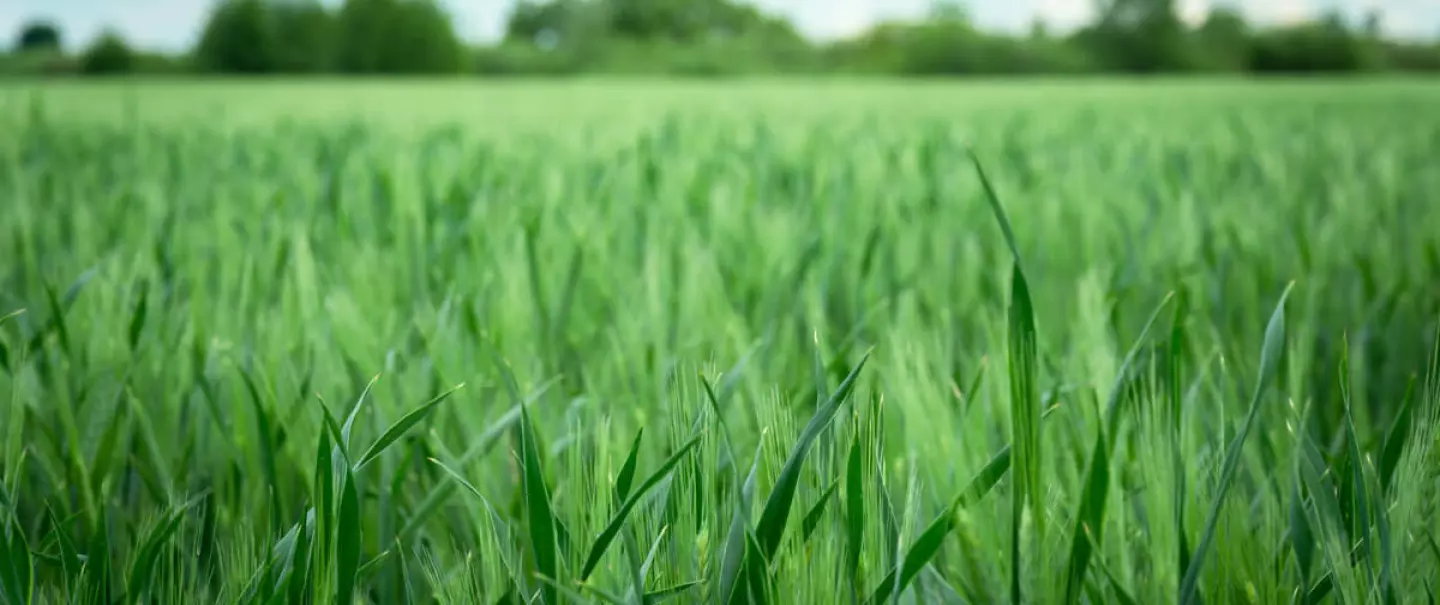
It is relatively easy to keep weeds under control in spring cereals, such as barley and oats. They are fast growers, and they spread out over the plot which limits the development of weeds....
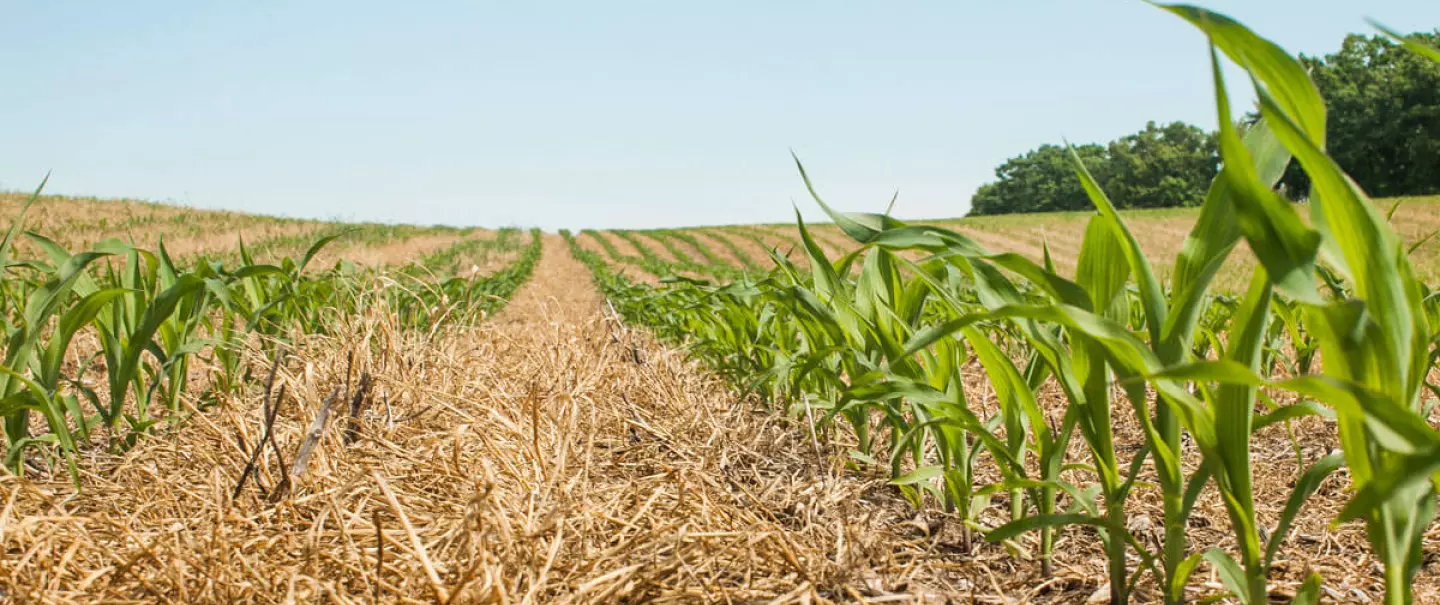
For successful weed control in maize, opt for a combination strategy including herbicides and mechanical methods....

Learn how to use mixed weed-control techniques for rapeseed: combining agronomic strategies, herbicides, and mechanical operations for optimum weeding efficiency. ...

Sunflower is a crop that is well suited to mechanical weed control. Due to the lack of effective chemical solutions against difficult weeds, mixed chemical-mechanical programmes often work better than...
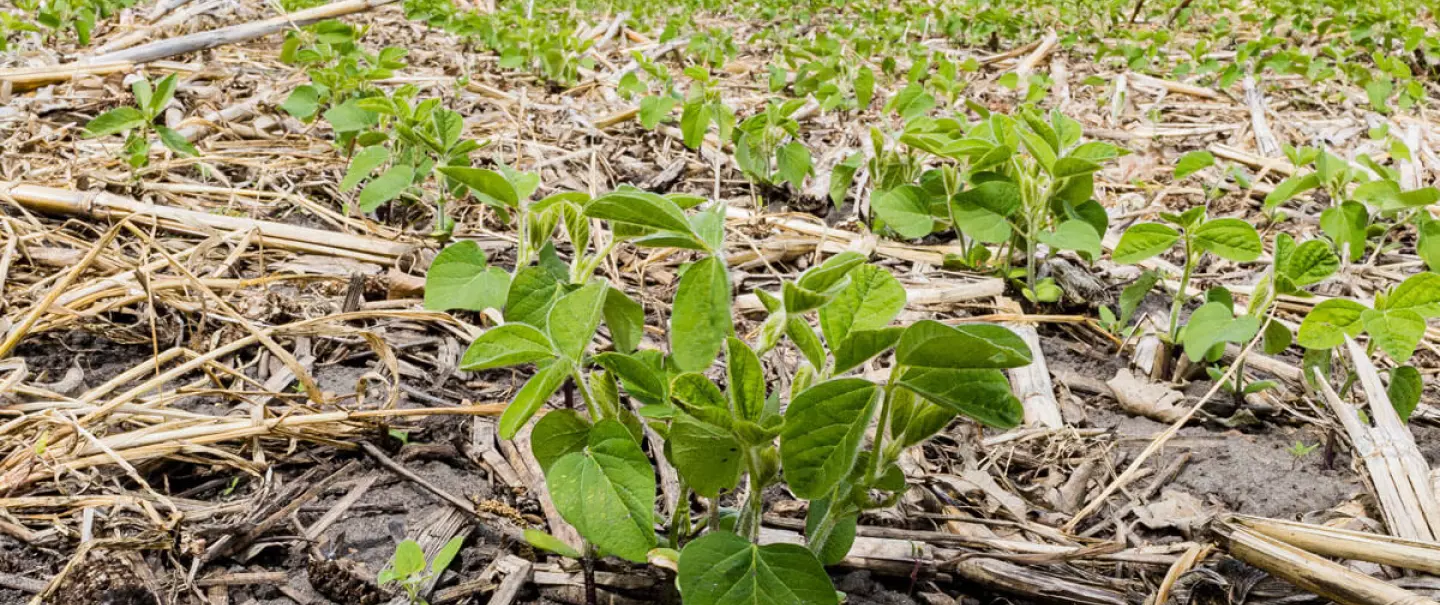
Soybean is a summer crop that is suited to mechanical weeding. The relatively low profitability of this crop means that alternative and more economical techniques need to be found....
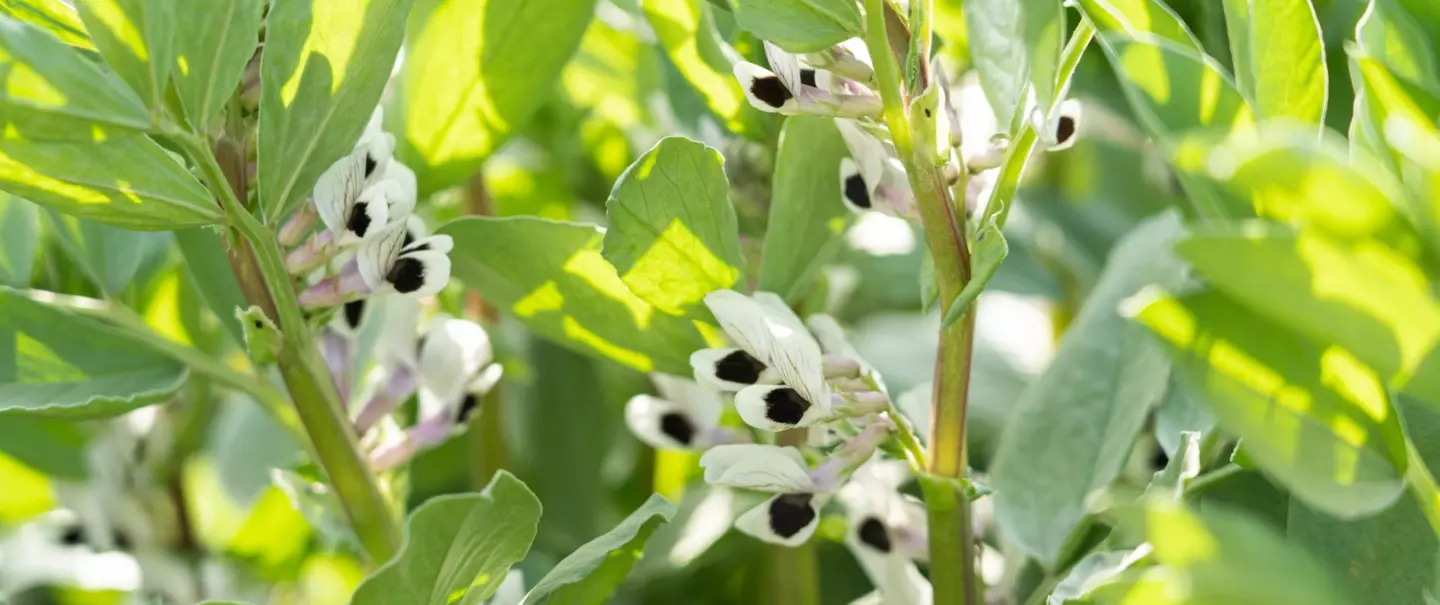
Legume crops such as field beans and peas are not very profitable in the short term, but are very beneficial in crop rotations. Their spring cycle breaks the cycle of winter grasses and reduces fungal...
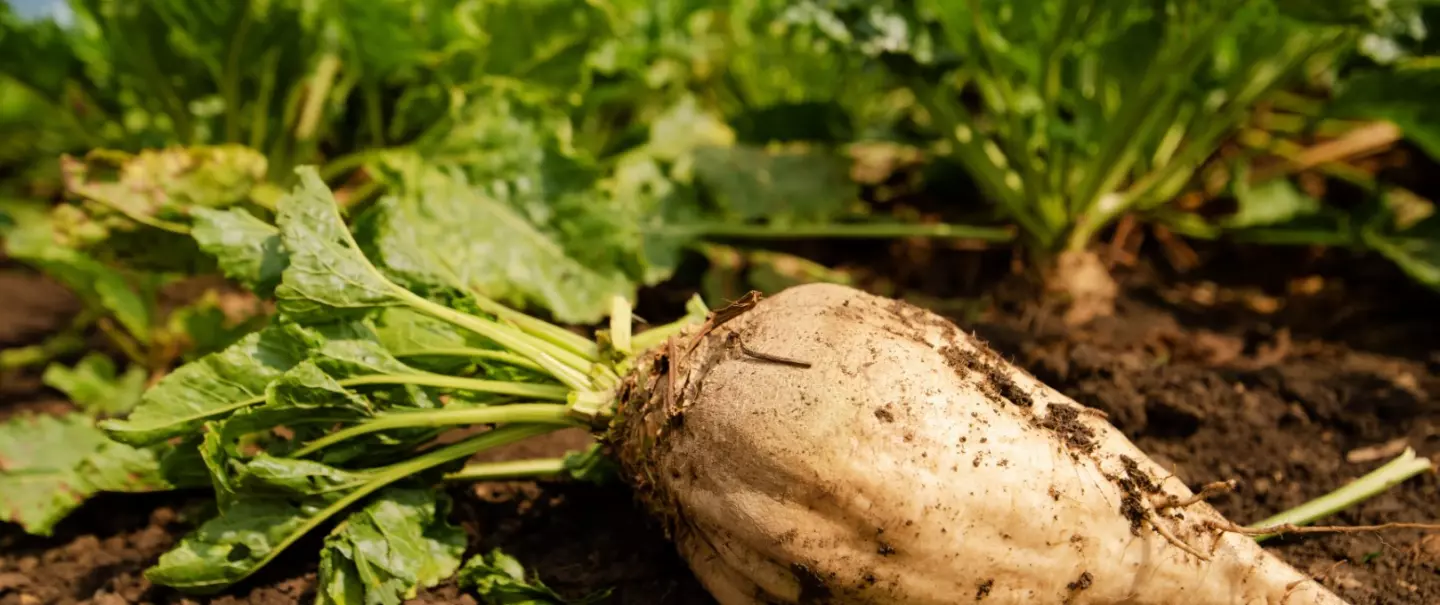
Sugar beet is a very demanding crop that does not like competition from weeds, especially during the early stages of growth, and until it covers the row....