
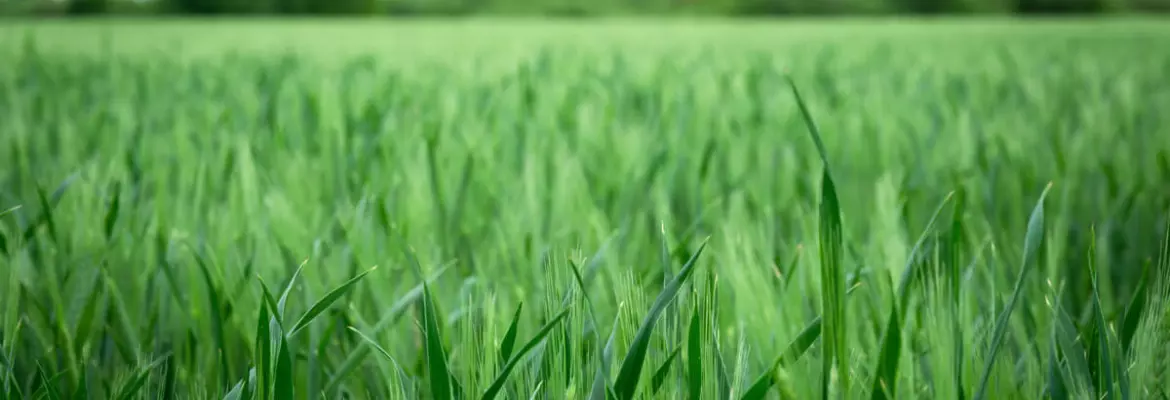
It is relatively easy to keep weeds under control in spring cereals, such as barley and oats. They are fast growers, and they spread out over the plot which limits the development of weeds.
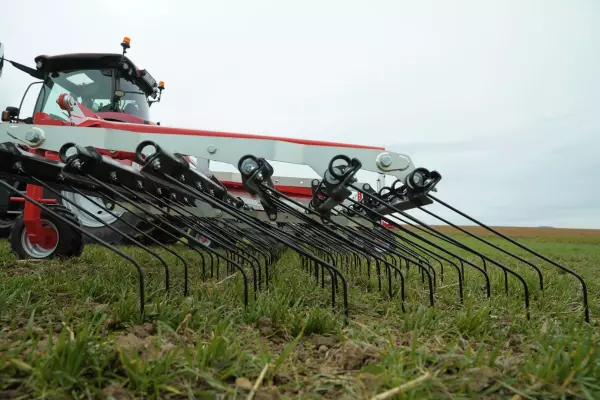
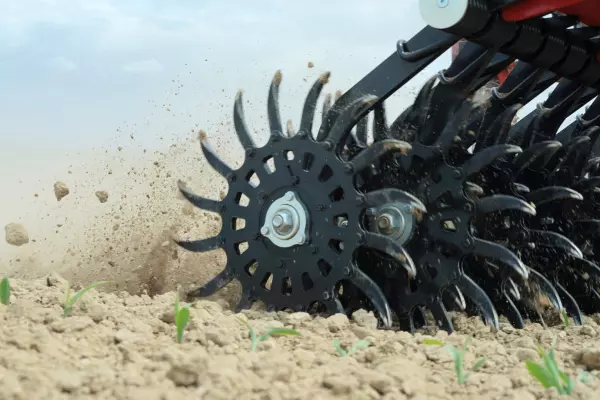
Mechanical weeding is more effective in spring crops than in winter cereals. It is easy to combine a pass with a tine weeder or rotary hoe with a herbicide where weed-control solutions are lacking: difficult grasses (ryegrass, vulpine), for example. In barley, other weeds, such as galium and thistle, are easier to eliminate but require localised treatment. So, it is essential to use the long intercrop period to destroy them before sowing. This has the additional advantage of saving on herbicide.
Agronomic context and challenges: Crop rotation
The position of spring barley should be adjusted in the rotation according to intended use (malting or forage).
For malting, barley is generally planted after wheat, or even a third cereal so that the soil is not too rich in nitrogen.
For forage, on the other hand, where high yield is important, nitrogen-rich soil can be a criterion of choice. In oat crops, herbicide solutions against grasses are lacking, so to avoid problems oats should be planted on plots with no ryegrass, vulpine, or common-wild-oat weeds.
Possible treatment periods depending on mechanical weeding tools
| Crop stage | Pre-emergence | Emergence | 2–3 leaves | Tillering | Weed stage |
|---|---|---|---|---|---|
| Rotary hoe | 🟢Pass possible Speed: 12–15 km/h | ⚠️Pass prohibited | 🟢Pass possible Speed: 15–18 km/h | 🟠With care Speed: 15–18 km/h | White filament to 1st leaf |
| Tine weeder | 🟢Pass possible Speed: 4–8 km/h Aggressiveness: ●● | ⚠️Pass prohibited | 🟠With care Speed: 3–5 km/h Aggressiveness: ●●● | 🟢Pass possible Speed: 5–7 km/h Aggressiveness: ●●●● | White filament to 3–4 leaves |
Weed-control programmes for spring cereals
| Pre‑sowing | Pre‑emergence | Emergence | 1–2 leaves | 2–3 leaves | Tillering | Ear 1 cm | 1–2 nodes | |
|---|---|---|---|---|---|---|---|---|
| BBCH | / | 0 | 10 | 11-12 | 12-13 | 20-29 | 30 | 32 |
| Option 1 All chemical | 🟠💦 | 🟢💦 | 🟠💦 | 🟠💦 | ||||
| Option 2 Mixed, winter herbicide | 🟢💦 | |||||||
| 🟠⚙️ or ↘ | 2–3 passes 🟢⚙️ or ↘ | 2–3 passes 🟢⚙️ or ↘ | 2–3 passes 🟢⚙️ or ↘ | |||||
| Option 3 Mixed, spring herbicide | 🟢💦 | 🟢💦 | ||||||
| 🟠⚙️ or ↘ | 🟢 ↘ | |||||||
| Option 4 All mechanical | 🟢⚙️ or ↘ | 🟠⚙️ | 2–3 passes 🟢⚙️ or ↘ | 2–3 passes 🟢⚙️ or ↘ |
🟠optional 🟢essential 💦chemical ⚙️rotary hoe or ↘ tine weeder
Purely chemical
There are several different ways of weeding barley. Soil-incorporated, pre-sowing herbicides (outside France) are very effective against weeds. Other solutions, such as pre-emergence or late treatments are possible. Cases of thistle or cleavers infestation require specific treatment when the ear has grown to 1 cm.
Mixed strategy, grasses
With a mixed strategy, it is possible to control a serious grass-weed infestation by tine weeding or rotary hoeing when the weeds first emerge, before applying a herbicide post-emergence.
Mixed, simple flora
On a clean plot, any weed infestation can be controlled by carrying out several mechanical-weeding operations, pre- and post-emergence, combined with a late herbicide treatment.
Purely mechanical
In both organic and conventional farming, it is quite possible to weed spring barley without using chemical products. Regular passes with a tine weeder or rotary hoe can easily contain weed infestation on healthy plots.
Recommendations
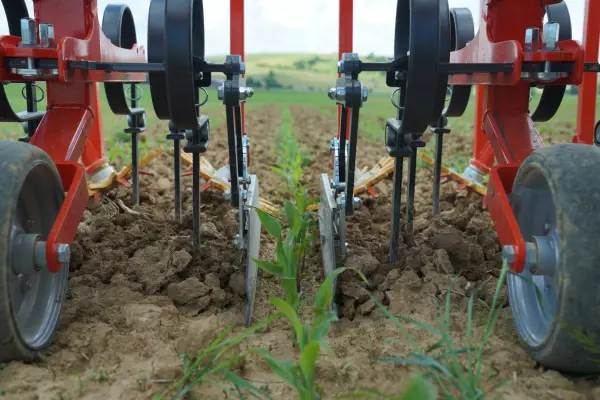
A combination of chemical and mechanical weed-control solutions works well with spring cereals. Mechanical action works particularly well against grasses (ryegrass) and reduces late-growing dicots. Tine weeding and rotary hoeing also improve growing conditions and, if the weed infestation is under control, eliminate the need for a herbicide.
Sources:
Désherbage des céréales à paille, préconisations régionales campagne 2024 - 2025 – Ouest, Arvalis, 2024
Désherbage mixte, l’alliance du chimique avec le mécanique, Chambre d’agriculture des Hauts de France, 2022
Désherbage - Orge de printemps : garder le contrôle des graminées, Arvalis, 2019
Désherber mécaniquement les grandes cultures, ITAB, 2012