Soil crusting management with a rotary hoe
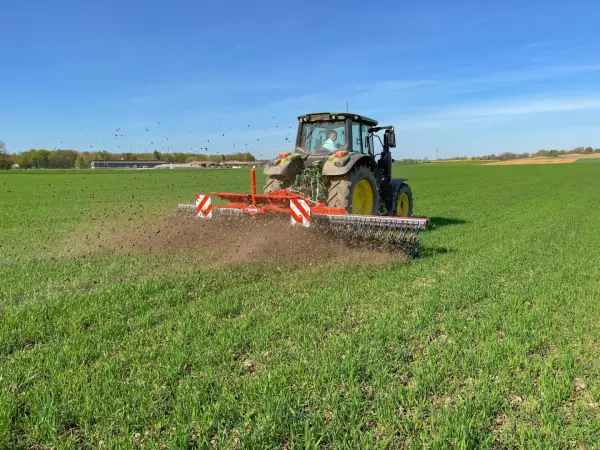
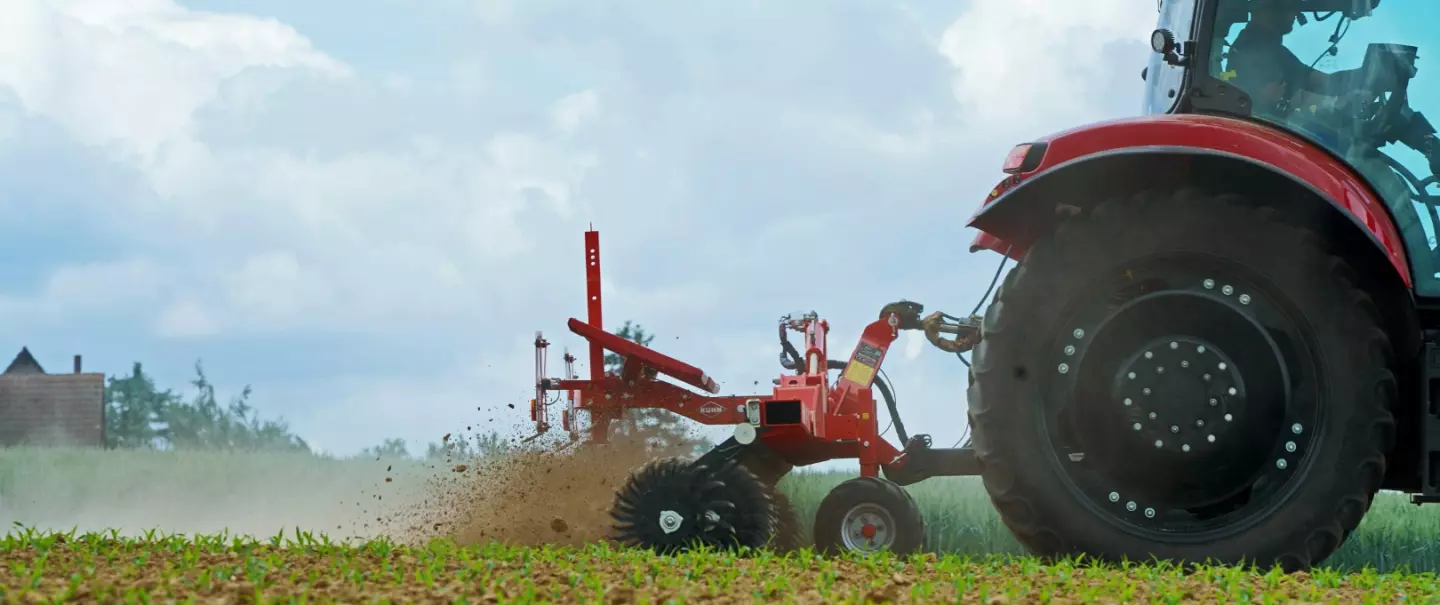
Soil slaking is a major agronomic problem which affects many agricultural regions....

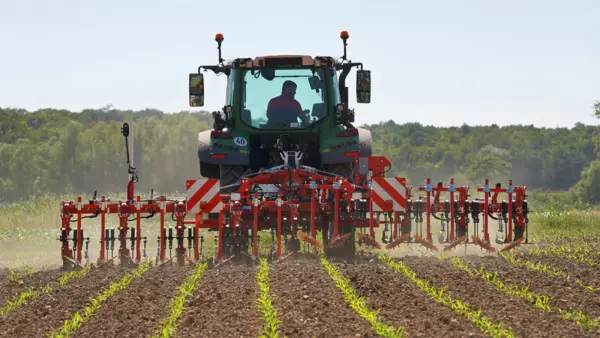
Mechanical weeding is a method of eliminating weeds without using chemical products. There are several possibilities for mechanical weed control, so how do you choose between a row-crop cultivator, tine weeder, and rotary hoe? Check out our comparative and recommendations for choosing the right tool for you.
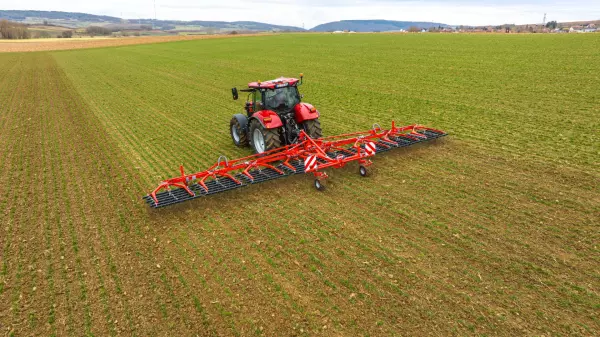
There are various tools possible for this technique, such as tine weeder, row-crop cultivator, and rotary hoe. By cutting and pulling up weeds on a plot, they boost crop growth without the use of herbicides.
Mechanical weeding is a technique that is commonly employed in organic farming. And with techniques becoming increasingly effective, it is gaining ground in conventional farming too, where it is used as a complement to chemical weed control.
Mechanical weeding is useful where chemical products show their limitations: weed resistance, active products being taken off the market, poor efficiency in dry periods, etc.
Faced with climate challenges and growing resistance, it is time to adopt a new approach to weed management.
Choosing a mechanical weeding machine depends on the needs of the farm. There are various questions to consider before making a choice: soil type, crop type, stage of weed growth, technical-economic criteria, etc.
| Selective weeding (only works between the rows) | Non-selective weeding (works the whole surface area) | |
| Row-crop cultivator | Rotary hoe | Tine weeder |
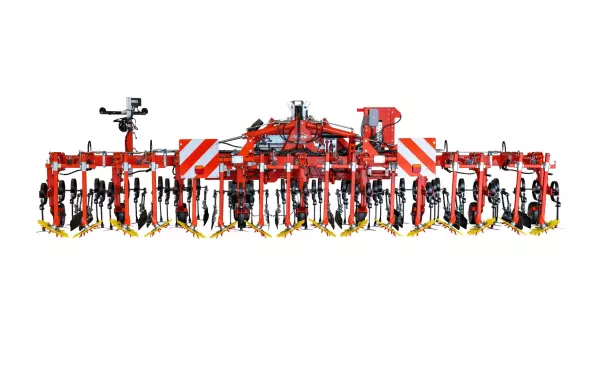
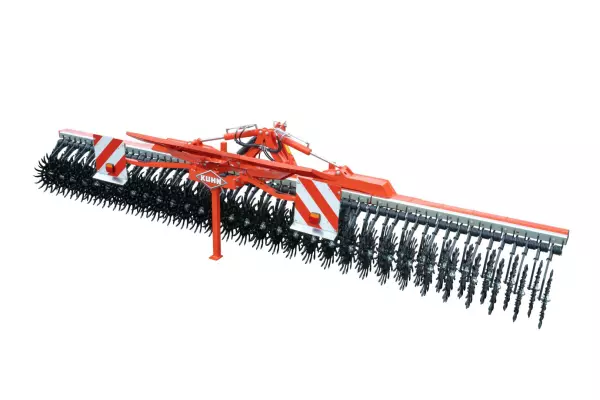
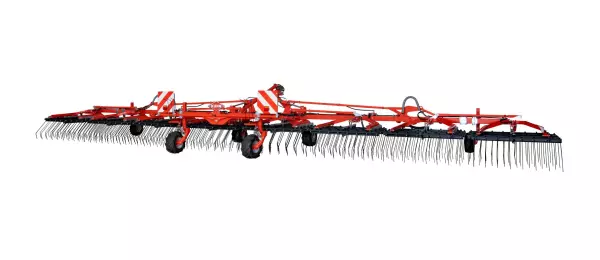
| Row-crop cultivator | Rotary hoe | Tine weeder | |
|---|---|---|---|
| Climatic conditions | Requires well-drained soil and dry conditions to prevent weed regrowth | ||
| Soil preparation | Requires level, compacted soil without large clods | No specific requirements | Requires level, compacted soil without large clods |
| Plant debris | Little impact on effectiveness | «Rake» effect | |
| Sloping fields | Risk of slippage of the row-crop cultivator | Little impact on effectiveness | |
| Crusting | Tool capable of penetrating the soil crust (if shares are suitable) | Tool capable of penetrating the soil crust (crust removal function) | Tool not very effective on thick soil crust |
| Weed stage | Germ | Coty | 1 leaf | 2 leaves | 3 leaves | > 3 leaves |
|---|---|---|---|---|---|---|
| Row-crop cultivator | ✅ | ✅ | ✅ | ✅ | ✅ | ✅🟠🔴 |
| Tine weeder | ✅ | ✅ | ✅ | ✅ | 🟠 | 🔴 |
| Rotary hoe | ✅ | ✅ | ✅ | 🟠 | 🟠 | 🔴 |
| Weed type | Tine weeder | Rotary hoe | Row-crop cultivator |
|---|---|---|---|
| Annual dicotyledons | ✅ | ✅ | ✅ |
| Annual grasses | 🟠 | 🟠 | ✅ |
| Perennials | 🔴 | 🔴 | 🔴 |
Legend:
| Tine weeder | Rotary hoe | Row-crop cultivator | |
|---|---|---|---|
| Sowing density | Increase sowing densities to compensate for losses caused by the pass of the machine | No need to increase density | No need to increase density |
| Row spacing | No adaptation required | No adaptation required | Requires regular spacing, straight and adapted to the row-crop cultivator used |
| Target crops | All crops (however, be careful with sensitive crops) | All crops (however, be careful with sensitive crops) | Suitable for crops sown in wide rows |
| Need for a guidance system | Not needed | Not needed | Highly recommended |
| Pre-emergence weeding | No damage to crops | No damage to crops | Unsuitable |
| Post-emergence weeding | No damage to crops, but not very effective on developed weeds | No damage to crops, but not very effective on developed weeds | Little damage to crops |
| Late weeding | Unsuitable | Unsuitable | Little damage to crops up to row closure stage |
| Working width (m) | Work output for 7 km/h in post-emergence (ha/h) | Work output for 15 km/h in post-emergence (ha/h) | |
|---|---|---|---|
| Tine weeder | 6 | 3,1 | 6,7 |
| 9 | 4,7 | 10 | |
| 12 | 6,3 | 13,5 | |
| Working width (m) | Work output for 15 km/h (ha/h) | ||
| Rotary hoe | 6 | 6,75 | |
| Number of rows | Work output for 8 km/h (ha/h) | ||
| Row-crop cultivator - narrow row (45–55 cm) | 12 | 4 | |
| Row-crop cultivator - wide row (60–80 cm) | 6 | 2,9 | |
| 8 | 3,8 | ||
Adapt weeding operations to the weather and weed situation:
Certain crops are more suited to mechanical weed control than others:
Combining observation, agronomics, responsiveness, and the right equipment gives you the best chance of successful weed control.
Soil slaking is a major agronomic problem which affects many agricultural regions....
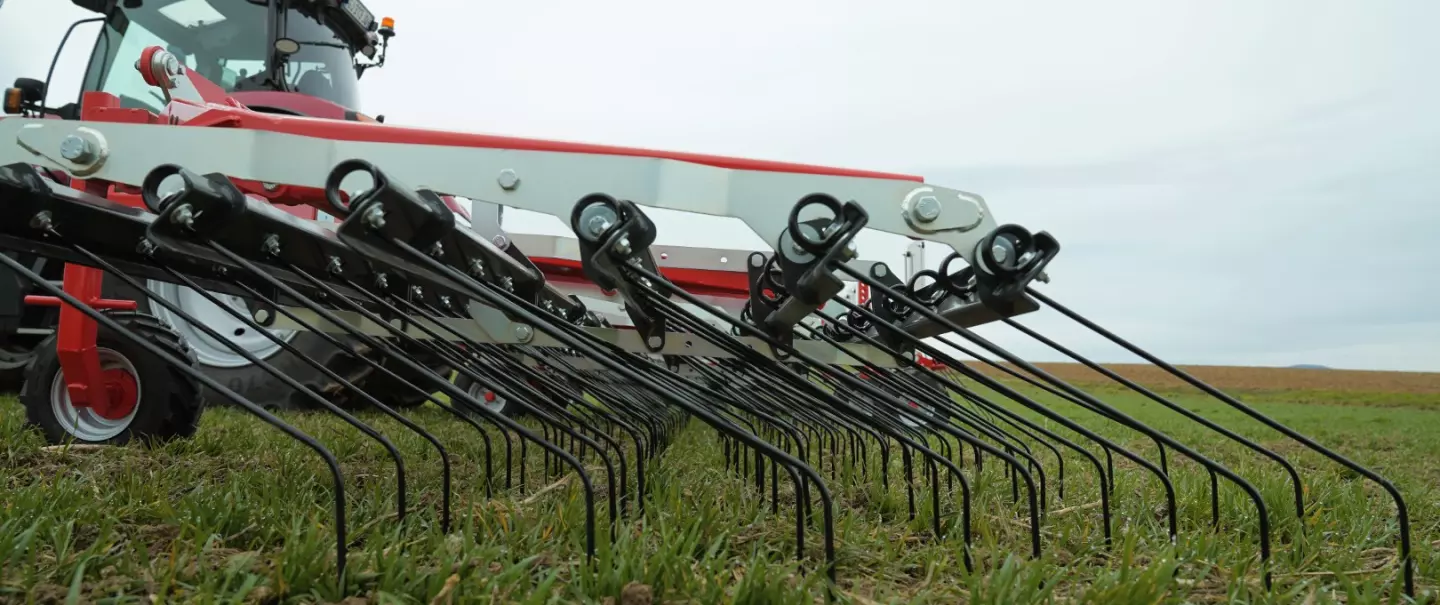
Tine weeding is a mechanical weed-control technique that is becoming more popular due to its effectiveness with weed control and positive agronomic impact. It works particularly well in spring as an a...
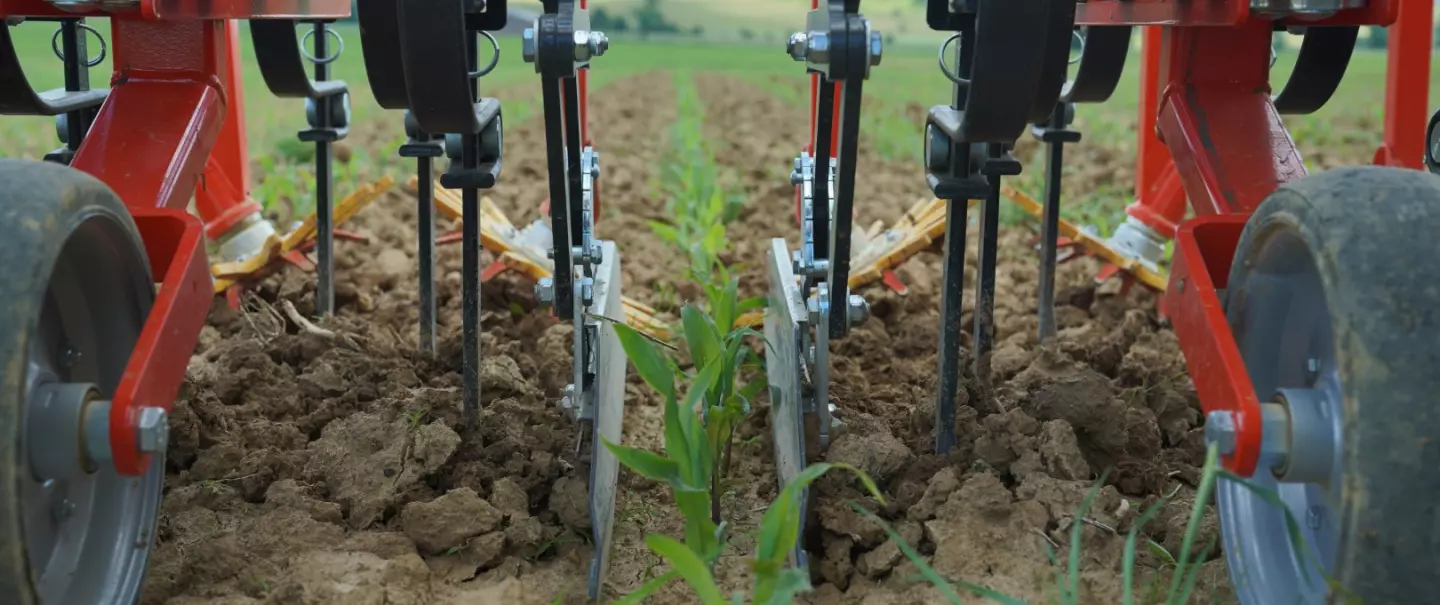
Long-neglected in favour of chemical weed control, row-crop cultivation is now regaining popularity in agricultural practices. In addition to controlling weeds mechanically, it provides numerous benef...
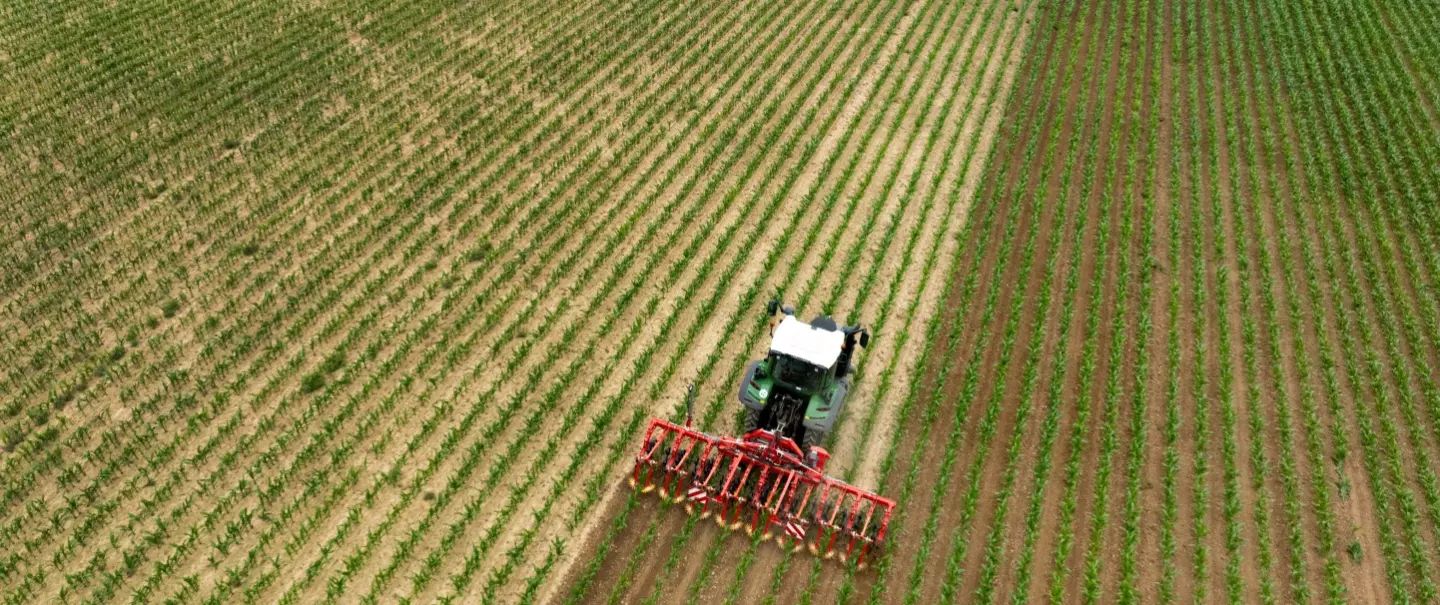
Mechanical weeding is a sustainable alternative to herbicides that can be very effective when done well. You’ll find in this article a few tips for getting started....