The most problematic weeds in field crops
Discover the most problematic weeds in European field crops and learn how they impact yield, harvesting, and product quality. Find practical strategies for identification and effective weed control....

Weed management is crucial in agriculture, particularly in crops such as wheat, maize, rapeseed, and beetroot. Weeds can have a significant impact on crop yields and harvest quality. Identifying these undesirable plants accurately and implementing appropriate and sustainable control strategies is essential to limiting harmful effects and ensuring farm profitability.
Discover the most problematic weeds in European field crops and learn how they impact yield, harvesting, and product quality. Find practical strategies for identification and effective weed control....
To control weeds effectively, adopt an integrated approach combining agronomic measures, herbicides, and mechanical weeding to reduce the impact on your crops....
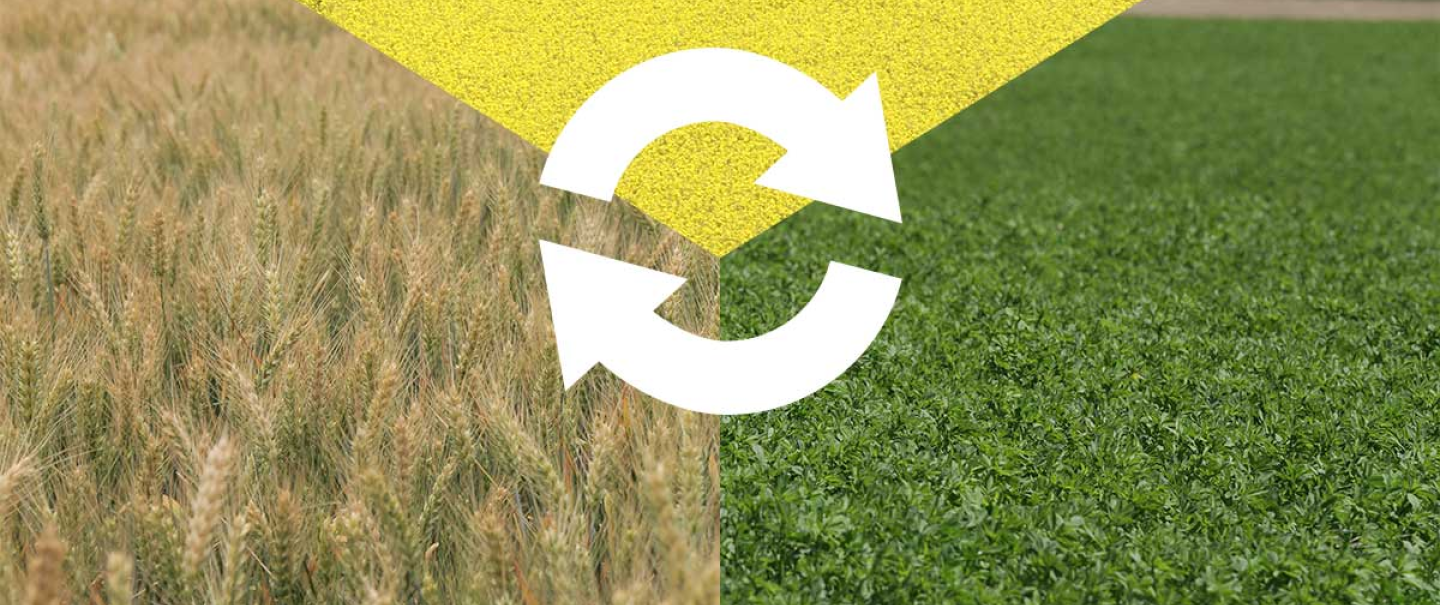
Combine agronomic levers by diversifying crop rotations, using cover crops, and applying techniques such as stale seeding, stubble cultivation, and periodic ploughing to reduce weed emergence before s...
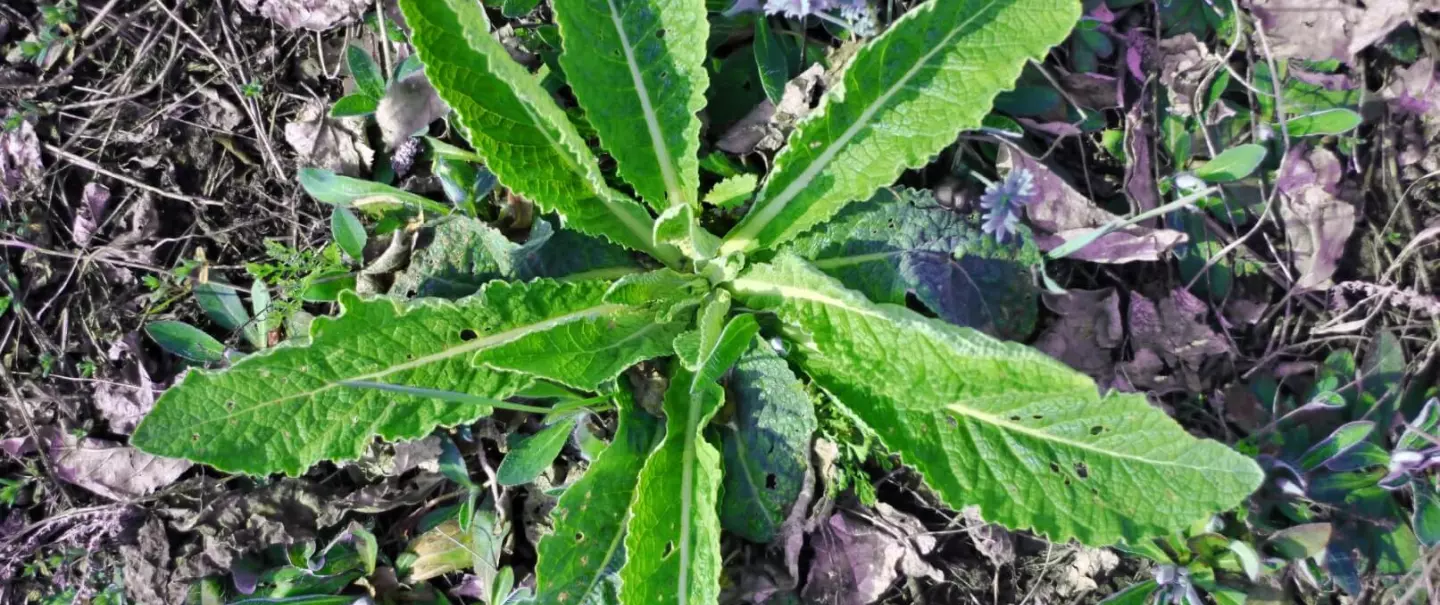
Bioindicator plants have a crucial role to play in assessing the condition of a plot. It is possible to evaluate different criteria, such as the pH value, fertility, and soil structure, by observing t...
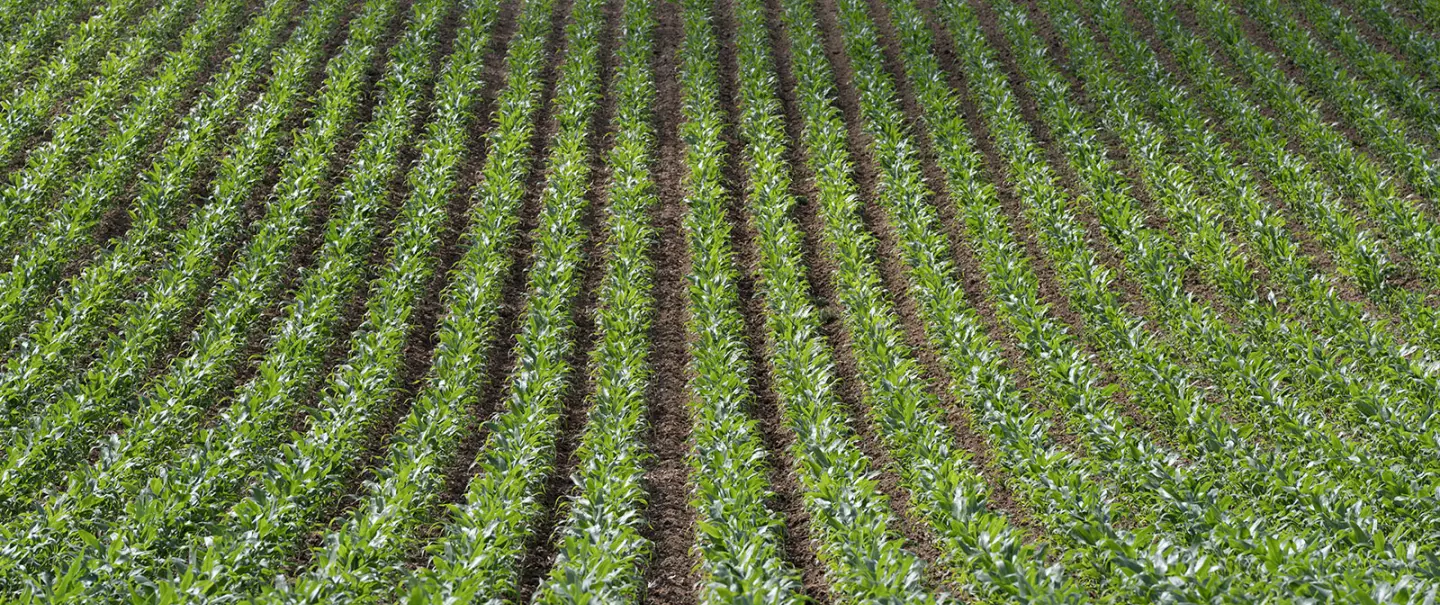
Modern weed control is evolving from a purely chemical approach to an integrated strategy that combines mechanical, chemical, and agronomic methods. This shift aims to reduce herbicide dependence, man...
Weeds are plants that grow spontaneously in places where they are not wanted. They compete with crops for essential resources such as light, water, and nutrients.
Weeds include any type of plant that can colonise cultivated soils. They vary greatly, in terms of harmfulness, depending on the species, population density, and stage of crop development.
It is important to note that some weeds can have beneficial effects, such as improving soil structure and attracting pollinating insects, hence the importance of managing them sustainably.
Weeds can even act as soil messengers: the different species grow where conditions are favourable for them, and this can reveal the state of the soil. It is known as bioindication. Is the soil acidic, compacted, low in calcium, or too rich in nitrogen? Each weed can provide a clue. It is a simple, visual, and powerful way for farmers to understand their plots better and adapt their practices.
Different types of weeds grow, such as:
Some weeds are annuals, reproducing each year, while others are perennial or multi-year, persisting for several years due to underground storage organs. The most problematic weeds differ depending on the region, soil type, crop rotation, and weeding practices. Identifying the main weeds in a plot is crucial to finding the best control strategies.
Weeds can have a major impact on crops. They compete with cultivated plants for essential resources (such as water and nutrients), reducing growth and yield. Weeds can also complicate harvesting and impact product quality. For example, they may be toxic to humans or livestock, which poses problems in terms of product marketability. Therefore, managing weeds is essential to preserving farm productivity and quality.
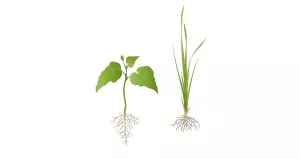
Weeds in fields are broadly classified into grasses and dicots, each with distinct characteristics and management challenges. Understanding their biology and impact is essential for developing effective control strategies that protect yields and quality.
A large proportion of weed flora found in crops consists of grasses. Grass weeds, which are often difficult to control, are characterised by long, narrow leaves and a spikelet or panicle inflorescence.
With fast life cycles and high-capacity germination, they grow quickly and compete with all types of cultivated plants.
Managing grass weeds often requires the use of specific herbicides. Unfortunately, they become resistant to plant protection products rapidly, which means that weed control strategies need to be diversified. Diversification can involve using different chemical molecules, mechanical weeding, or agronomic levers such as longer and more diversified rotations.
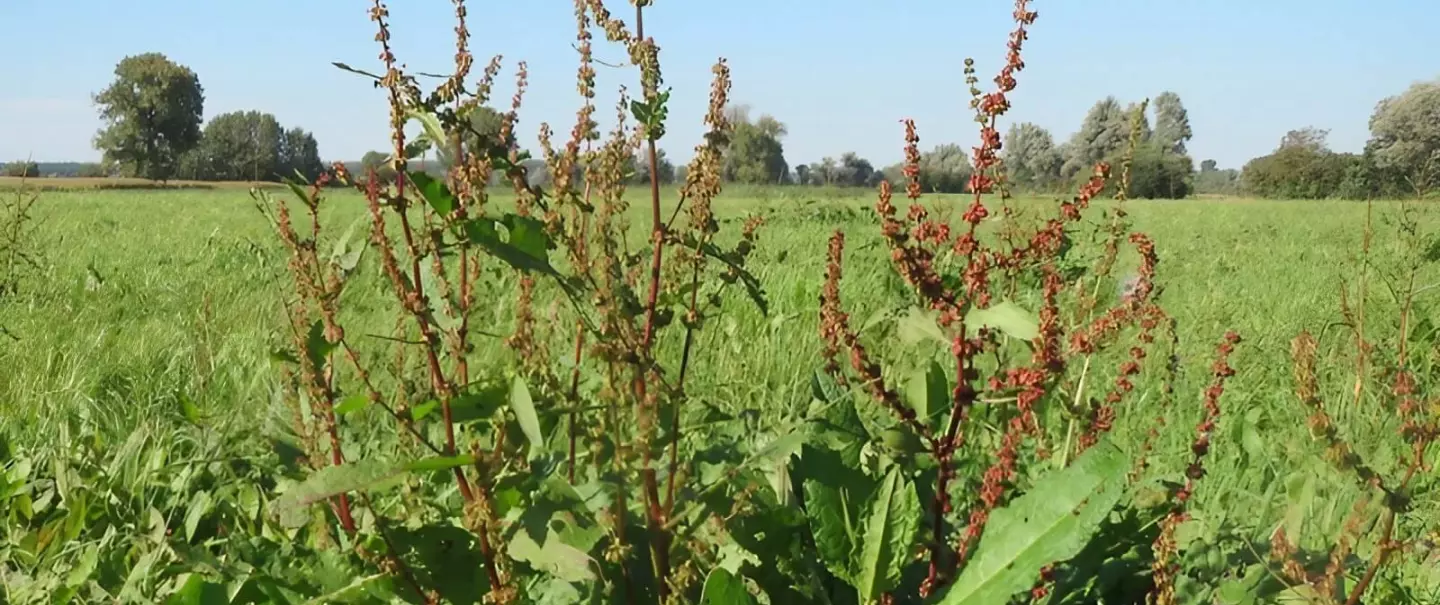
Dicots are the other main category of weed found in fields. They have more varied morphologies than grasses with generally broader leaves and different-shaped flowers.
These weeds vary in harmfulness depending on the type of crop and stage of growth. Some dicots, such as datura, can be toxic and contaminate crops. Others, such as cleavers, can interfere with harvesting by getting wrapped around equipment. Dicot weeds should be controlled using a combination of methods, including herbicides, mechanical weeding, and other techniques, depending on the species.
Weed management relies on both curative and preventive strategies to protect crop yields and minimise environmental impact. Curative methods include selective herbicide use and mechanical weeding, while agronomic practices such as crop rotation, tillage, and cover crops serve as preventive measures to reduce weed emergence and herbicide dependence.
Curative weeding is essential when weeds have colonised a cultivated plot. This approach involves selectively destroying weeds without harming the crop.
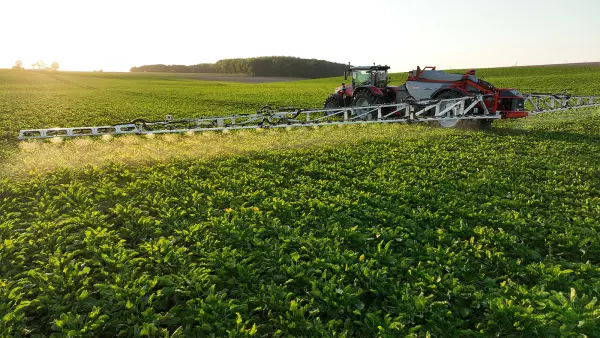
Selective treatment can mean using herbicides or mechanical methods able to destroy the weeds without harming the crop.
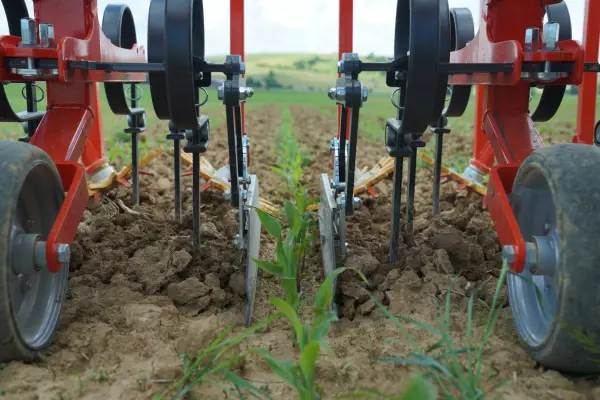
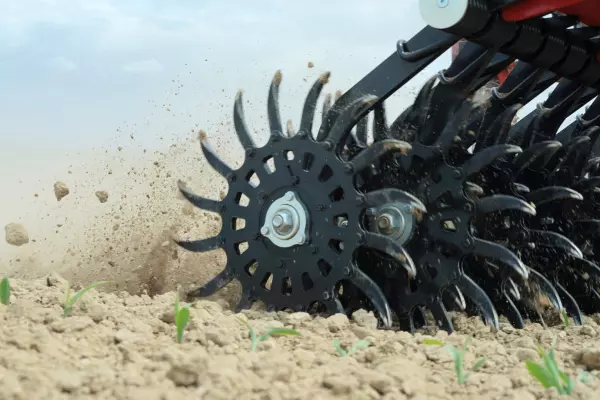
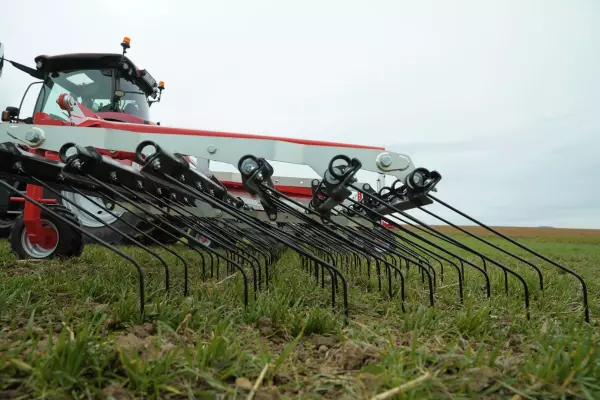
Although herbicides are often very effective, they should be used with caution due to the risk of resistance and their negative environmental impact. Mechanical weeding, on the other hand, can be carried out using different techniques: tine weeding, row-crop cultivating, etc., which make it possible to eliminate weeds without having to use plant protection products. Many different factors influence the choice of control method, such as weed type, stage of development, and constraints related to the crop and farm. The aim is to keep damage caused by weeds to a minimum and preserve yields, while minimising the impact on health and the environment.
Sustainable weed management is not limited to curative weeding. Agronomic levers play a crucial role in preventive weed management, limiting their emergence in crops.
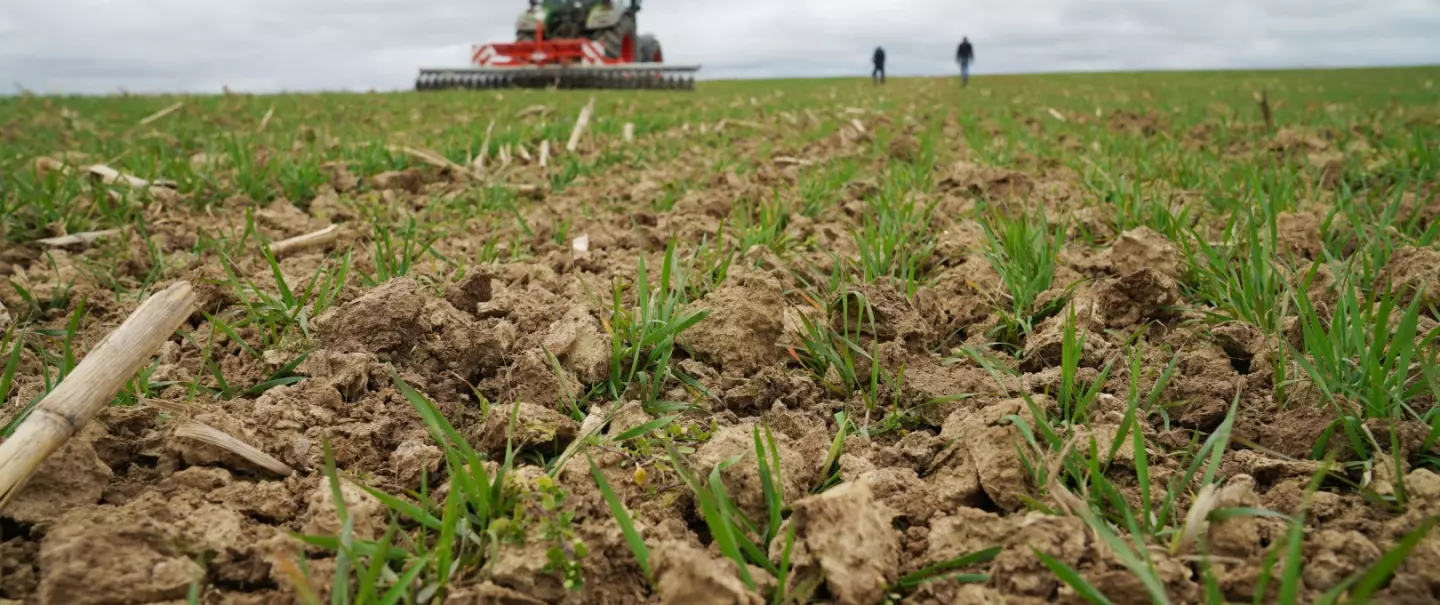
An example is extending crop rotations, which makes it possible to diversify crop species and disrupt the development cycle of weeds, thereby reducing their impact. Shallow tillage can cause weeds to germinate in order to destroy them before the crop is sown. Alternatively, ploughing will bury weed seeds deep in the soil to prevent them from germinating.
Planting cover crops can smother weeds during the intercropping period and improve soil structure, limiting weed growth. These practices are preventive weed-control techniques which complement curative methods well. Indeed, by adapting agricultural practices, it is possible to limit harm caused by weeds and reduce herbicide dependence, promoting more sustainable farming.