TINELINER
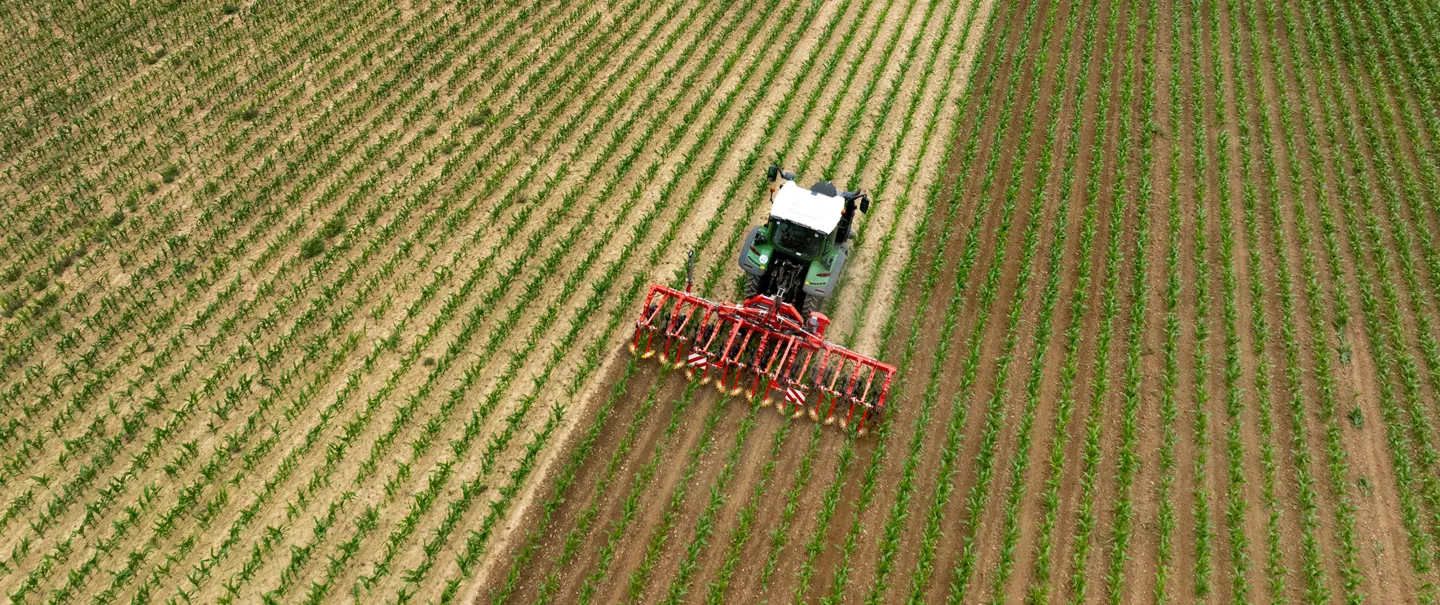
TINELINER tine weeders are particularly suited to weeding row crops, such as cereals, or for young row crops, especially before seedling emergence. This range commes in working widths of 6.00, 9.00 and 12.00 metres.


Discover the KUHN tine weeder: a reliable way to control weeds early, without herbicides, while aerating the soil.
TINELINER tine weeders are particularly suited to weeding row crops, such as cereals, or for young row crops, especially before seedling emergence. This range commes in working widths of 6.00, 9.00 and 12.00 metres.
Tine weeders are commonly used in organic farming and conventional systems alike. Like row cultivators and rotary hoes, a tine weeder is a mechanical weed control implement that works in a wide range of crops, including soybean, sunflower, maize (corn)and cereals.
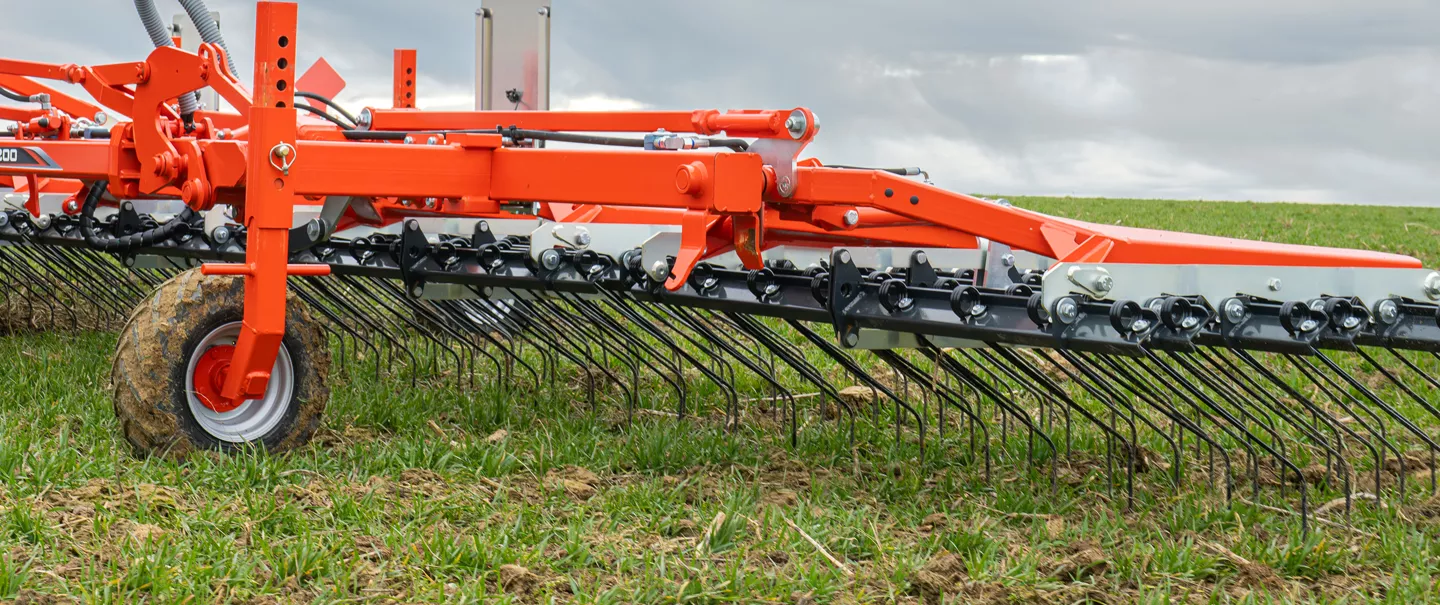
Sometimes called a weeder harrow, it is a versatile machine that destroys weeds by pulling them out. Its shallow action keeps soil disturbance to a minimum while letting air in, which stimulates mineralisation and reduces evaporation by breaking capillary action. The frame is split into several sections, each fitted with rows of flexible tines that bend around the plants and tear out small weeds.
The KUHN TINELINER tine weeder has two key options: tine pressure, which controls how hard the tip of each tine works, and the angle of the tines, which controls how aggressive they are. Together, they let you adapt the machine to different crops and growth stages. With a wide range of intensity levels, this tine weeder can handle almost any situation, so you can change how hard it works as conditions change. Its 6 rows of tines destroy weeds while they are still very young and before they get established.
There are a few things to consider when choosing a machine. Start with the size of your farm, as this decides the working width and the model you need. Then look at the tines: what they are made of, how flexible they are and the spacing between them. Finally, the frame needs to be robust enough for intensive work and simple to mount on your tractor.
The KUHN TINELINER has front and rear gauge wheels plus a hydraulic tine adjustment system, so each tine section works evenly, from the first tine to the last. The result is accuracy, flexibility and durability in all soil types.
Discover the TINELINER
CLICK HERETine weeding can be carried out at several growth stages. Work can start straight after drilling, before the crop emerges. This is known as blind cultivation, and it knocks back the first flush of weed seedlings before they can compete with the young plant. How hard you work at this stage depends on how deep the seed was drilled: keep it gentle in barley, while a bean stand can take a more aggressive setting. Once it is up and robust enough, you can go in from the first-leaf stage, but drop your speed to 3–7 km/h. The more established the plants, the harder the tines can work and the faster you can drive. For the best results, only go in when the ground is dry and free-draining.
The right type of plot for tine weeding:
Its efficiency makes it an essential tool for sustainable weed control on conventional and organic farms alike, helping cut herbicide use on every acre. The benefits go well beyond killing weeds:
At the seed-leaf stage, tine weeders control 50-70% of weeds by burying them and 30-50% by uprooting them. Driving faster buries more weeds, but make sure the crop itself is left undisturbed and undamaged. So efficient tine weeding is not just about setting the machine up correctly; it is also about getting the timing right.
The success of mechanical weeding depends on soil conditions, the weed growth stage and the weather. Avoid frozen or waterlogged ground, and aim to go in when the forecast is dry for a few days after the weeding job.
KUHN’s mechanical weeding tools
Discover the full range
It is a machine fitted with flexible tines that uproot young weeds and leave them to dry out on the soil surface. It works the whole area, both along the crop row and between rows, and improves mineralisation, moisture retention and tillering in cereals.
For effective weed control before or after the crop comes up, without herbicides. It kills young weeds, breaks up surface crusts, encourages growth and improves mineralisation. For any organic farmer, it is one of the most valuable machines on the farm.
Most crops, especially cereals, oilseed rape, sunflower, soybean, maize (corn) and peas, make it a staple for organic grain growers. It can also be used to rejuvenate grassland and on stale seedbeds.
8-12 km/h in good conditions. Slow down to 2-5 km/h in delicate crops or at early growth stages.
The younger the crop, the gentler the action should be: lay the tines back and slow down. Raise the seed rate by 10-15% to make up for any losses, and adapt to the growth stage of the weeds and the crop’s root system.