
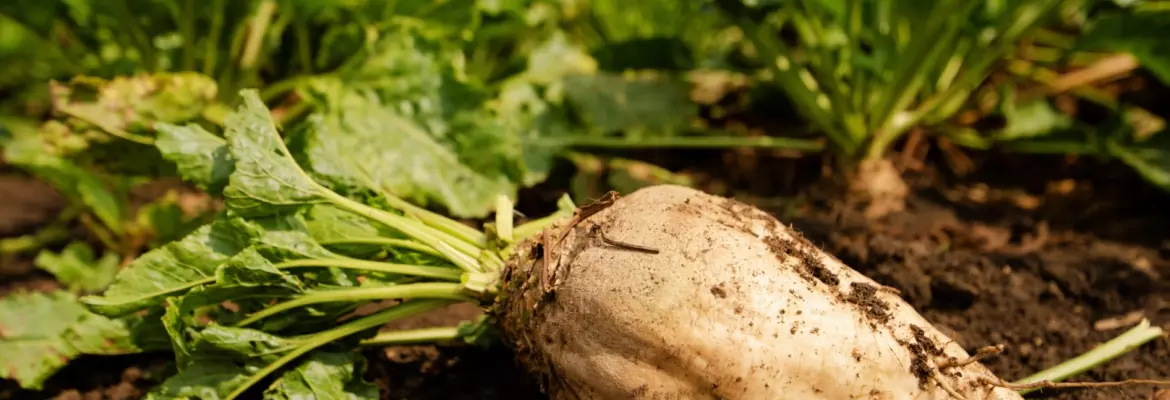
Sugar beet is highly sensitive to competition from weeds, particularly during its early stages of growth and until it covers the ground.
It is a crop that requires several chemical-weeding operations. It is very difficult to control weeds in organic farming. However, mechanical weeding works well from April to June. So, in good conditions, a tine weeder can easily replace the third application of chemical weedkiller, providing the protection needed.
The most problematic weeds in beetroot:
- Winter grasses (ryegrass, vulpine)
- Goosefoot
- Fumaria
- Mercuries
- Knotweed
Controlling weeds: combining mechanical and chemical weeding to reduce chemical-product doses and increase resilience
Chemical weed control is the most effective way of controlling weeds in field beetroot. In general, it is necessary to carry out four herbicide applications, from emergence to when the crop covers the ground. Herbicide treatments are most effective when atmospheric humidity levels are high, which can sometimes pose a problem in late spring.
In dry conditions, row-crop cultivators, rotary hoes or tine weeders can be used, in addition to chemical weedkillers, to boost the efficiency of chemical weed control. A tine-weeding operation done well can even replace the third herbicide treatment.
In summary, there are various strategies for combining mechanical and chemical weed control in beetroot. These strategies are less dependent on weather conditions, more economical, and offer numerous agronomic advantages for healthy crop development.