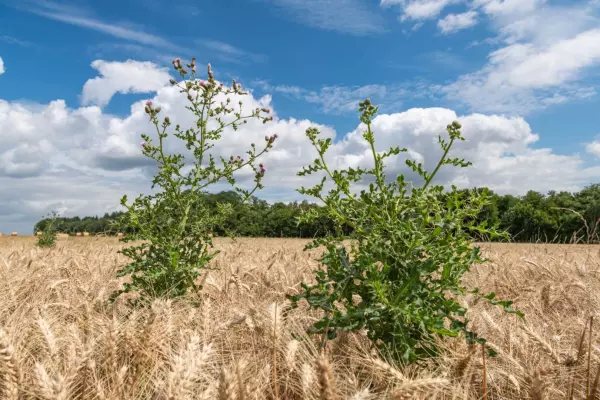
Field thistle
Thistles are generally a sign of deep compaction (like plough pan) and waterlogging on the surface, or excessive organic matter (manure, slurry). The spear-like roots pierce the waterlogged and over-fertilized soil.

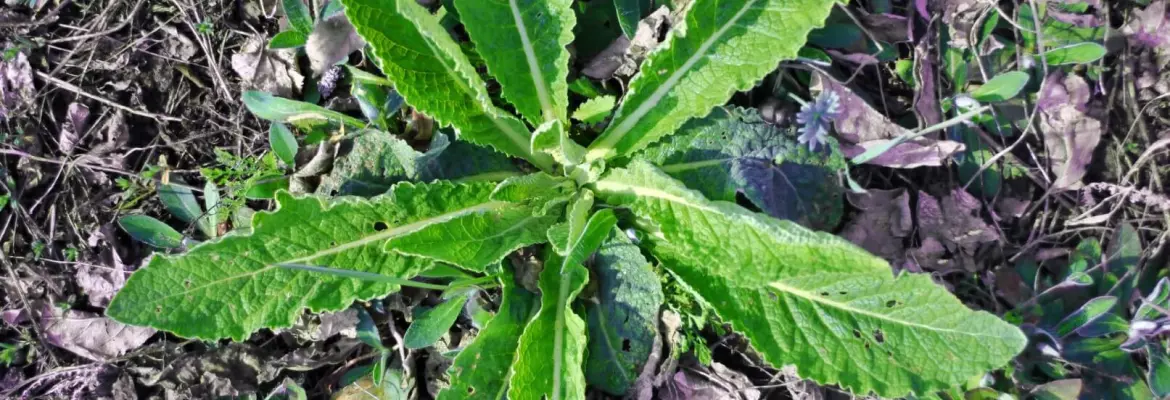
Bioindicator plants have a crucial role to play in assessing the condition of a plot. It is possible to evaluate different criteria, such as the pH value, fertility, and soil structure, by observing the species on a plot. Farmers can use a plant-based soil diagnosis guide to make informed decisions in order to optimise soil cultivation and improve fertility, making the plot more productive.
By observing the plants on a plot, it is possible to gain information about the soil they live in. Not all plants have the same bioindicator power, however. This is due to the ecological preferences of each species, which may:
However, by taking all species on the plot into account, it is possible to make a more or less accurate diagnosis of the health of the soil. Below is a sample of weeds and what they indicate:
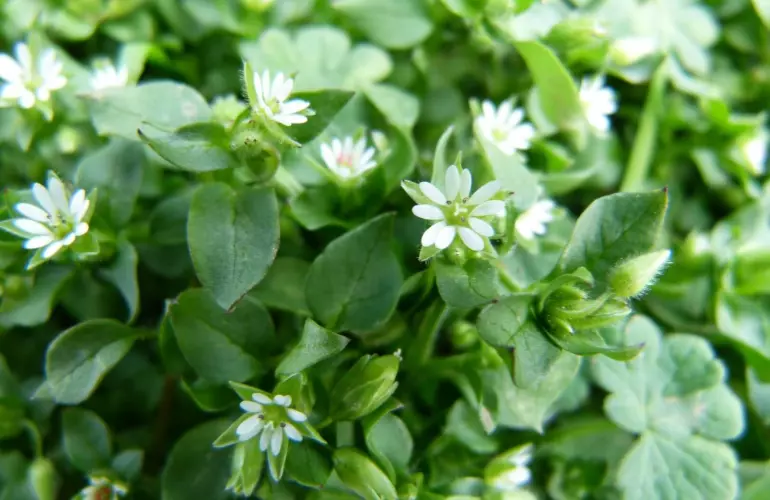
Chickweed is one of the few plants that indicates good soil health, combining a well-balanced and fertile environment. This plant is characteristic of a biologically active, aerated, non-compact soil, and is a sign of nutrient mineralisation.
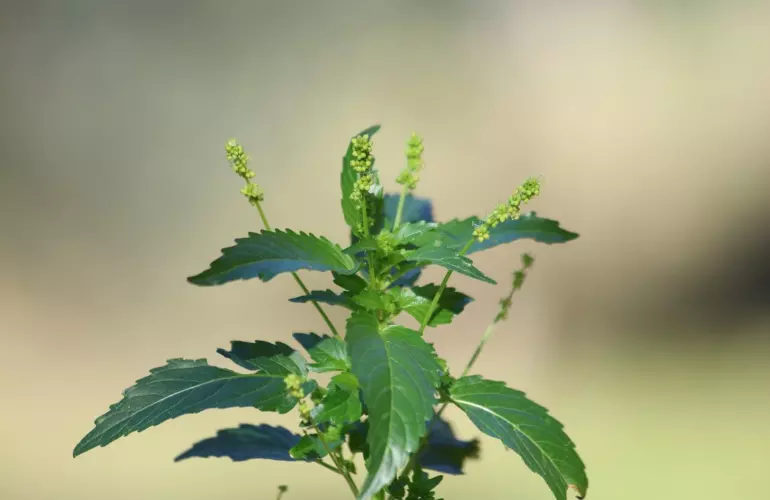
Annual mercury is a sign of intense erosion, due to a lack of plant cover, which causes nitrogen and potassium leaching. This fragile soil needs protection before its condition deteriorates. Annual mercury warns of a high risk of erosion during summer storms.
Thistles are generally a sign of deep compaction (like plough pan) and waterlogging on the surface, or excessive organic matter (manure, slurry). The spear-like roots pierce the waterlogged and over-fertilized soil.
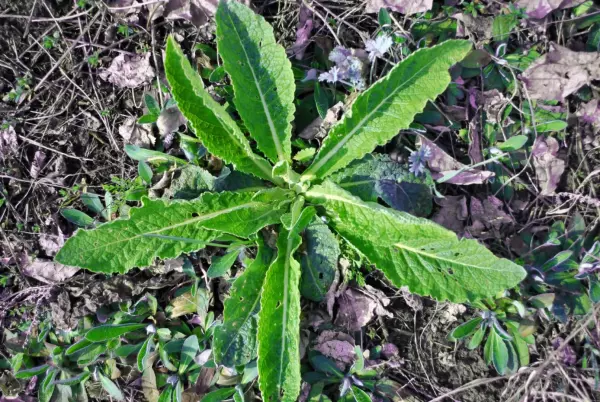
Milk thistle is an indication of too much organic matter in the soil and waterlogging. Poor air circulation hinders aerobic bacterial activity, inhibiting the decomposition of organic matter.
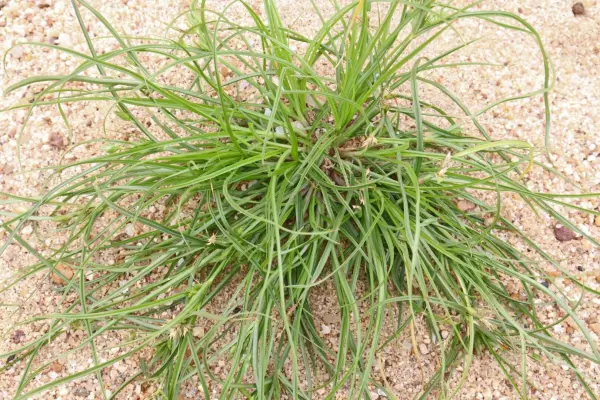
Toad rush is specific to silty soils with water stagnation in winter and compaction issues. As such, it is found in treatment passages. It is a calcifuge species, rarely found outside these conditions.
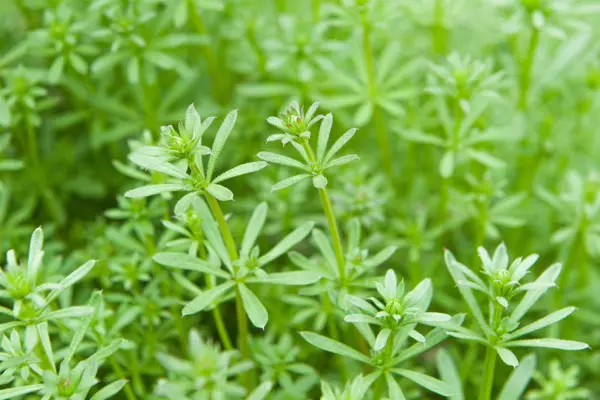
Cleavers is a common species that likes chalky soils. It grows in cool environments, rich in nitrates and organic matter. It prefers shaded areas.

These plants thrive in chalky soil, rich in nitrogen and carbon. They are also a sign of compaction and the early stages of anaerobic conditions.
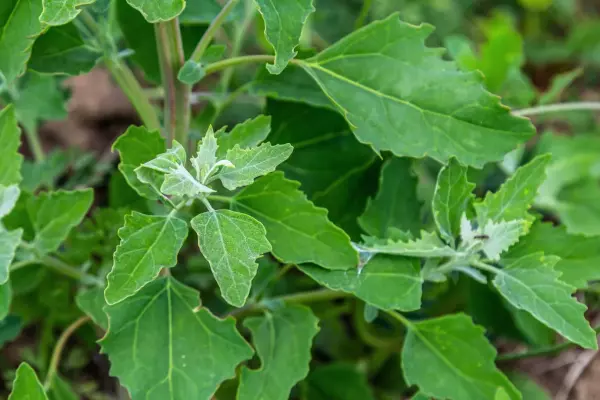
White goosefoot thrives in environments with an excess of nitrogen, especially where it is released suddenly. For example, it can be found on manure or compost heaps with high levels of nitrates and anaerobic conditions.
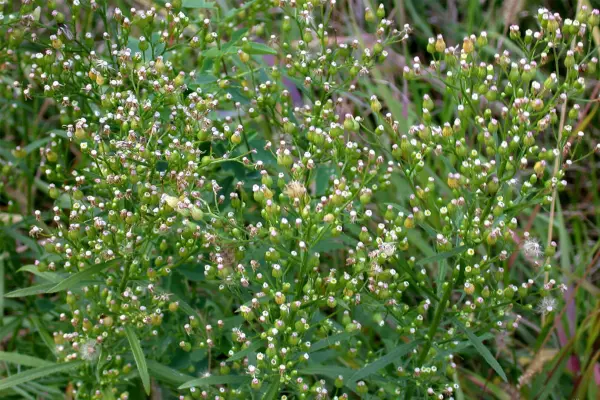
Canadian horseweed grows very well on poor, sandy soil that is rich in nitrates. It is also an indicator of dry soil.
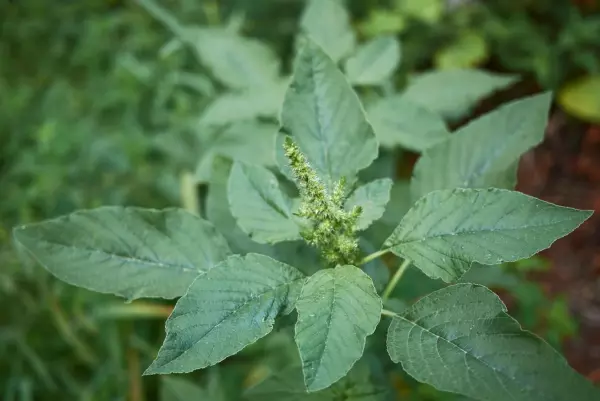
Redrooth amaranth grows in loose soil with an excess of nitrogen and potassium. It signals rapid nitrogen mineralisation due to unstable organic matter.
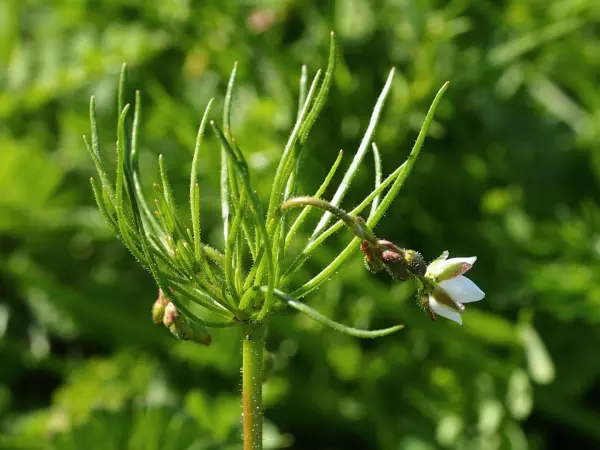
Once cultivated on sandy and poor soils, corn spurry is a sign of very low biological activity in the soil. It is found in soils out of balance with low levels of clay and organic matter.
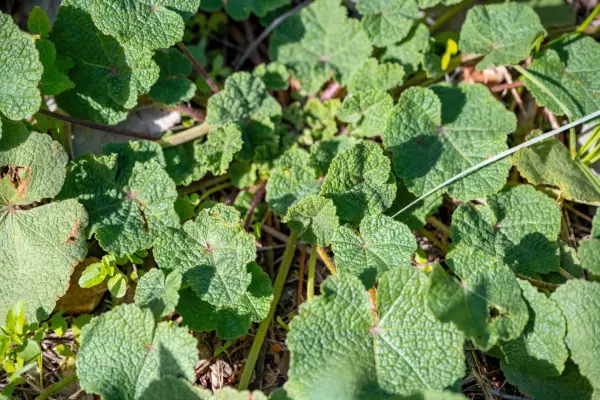
Common mallow is found in fields and floodplains. When it dominates the plot, it is a sign of imbalance in organic matter, nitrates, and potassium, or soil compaction. This causes a shortage of oxygen. There is a nutritional blockage due to high pH levels.
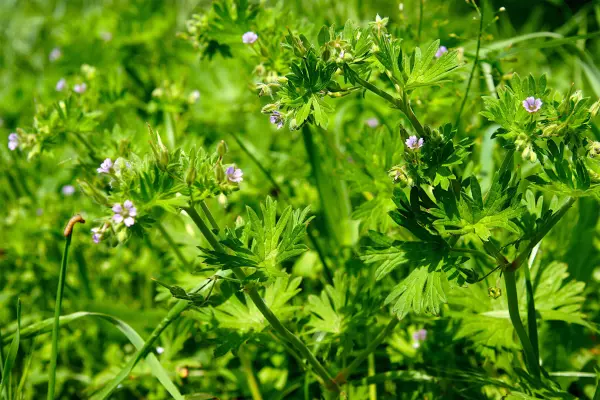
Also called Cut-leaved crane’s-bill is a bioindicator plant signalling a nitrogen-rich soil. The soil is out of balance due to the excess in nitrogen-rich organic matter.
agronomic factors
climatic factors
soil factors
landscape
others