
To control weeds effectively, adopt an integrated approach combining agronomic measures, herbicides, and mechanical weeding to reduce the impact on your crops.
Impact on the crop and control method
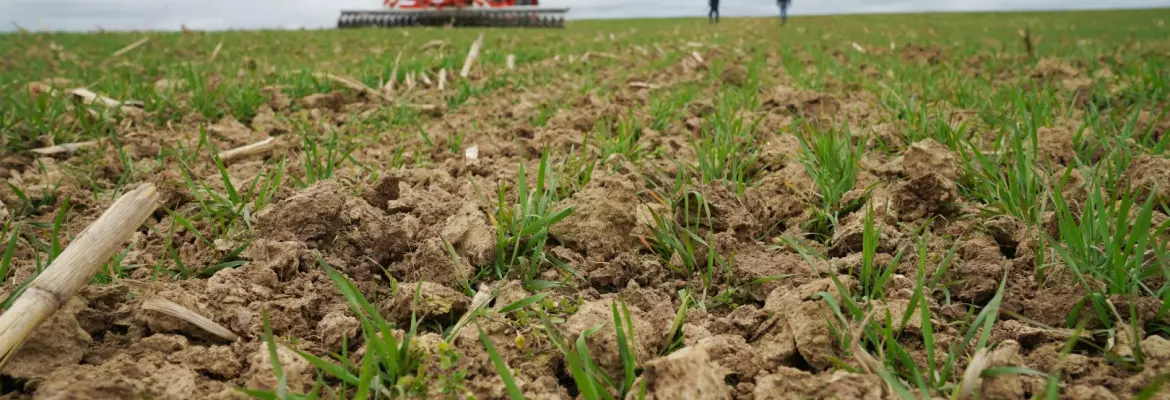
Weeds are unwanted plants that grow in crops without having been sown. They can reduce yields by competing with the crop for resources (light, water, nutrients). They can also degrade the quality of the harvested crop or interfere with harvesting.
Weed definitions and classifications
To determine an appropriate control strategy, it is essential to identify the different species of weed in the plot. They can be classified by:
| Type | Family |
| Life cycle | Annual, biennial, perennial |
| Morphology | Grass, dicot |
Weed flora can vary from one plot to another. It can be influenced by the cropping system, tillage, or external factors related to the plot (soil type, moisture, etc.).
How weeds affect crops
Weeds can harm crops in different ways. Direct harm occurs through competition for essential resources such as water, light, and nutrients, which reduces crop yields. Some weeds may cause indirect harm by carrying and spreading pests and diseases. In addition, weeds can complicate harvesting and reduce the quality of the harvested crop (toxins, etc.).
Being aware of the impact weeds can have on a crop is crucial to implementing an appropriate control method.
Methods for eliminating weeds
There are different methods for eliminating weeds:
- Chemical weeding
- Mechanical weeding
- Agronomic strategies
The choice of method depends on weed type, stage of development, type of crop, and environmental conditions.
Weed-control strategies in crops
Weed control in field crops often relies on a combination of chemical and mechanical methods to ensure effectiveness and sustainability. While herbicides offer fast and efficient results, mechanical weeding provides an essential alternative that addresses resistance concerns.
Using herbicides
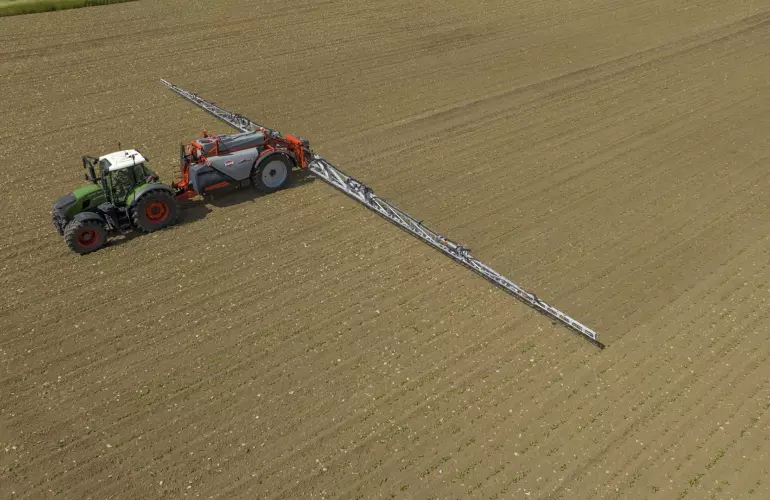
Using herbicides is the most common method of weeding field crops. It is a fast and efficient technique, but has some drawbacks:
- Weed resistance over time (with winter grasses, for example);
- Inefficiency when applied in poor conditions (low atmospheric humidity, dry weather);
Mechanical weeding
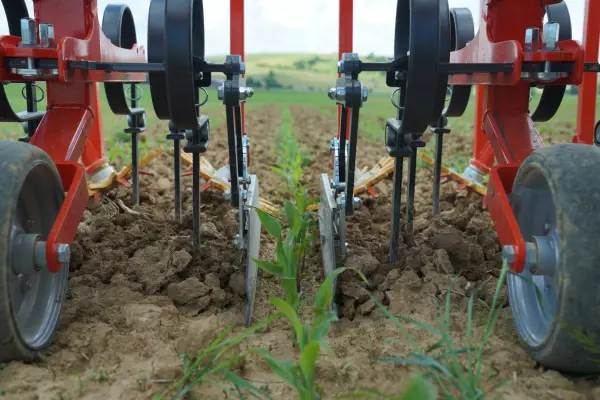
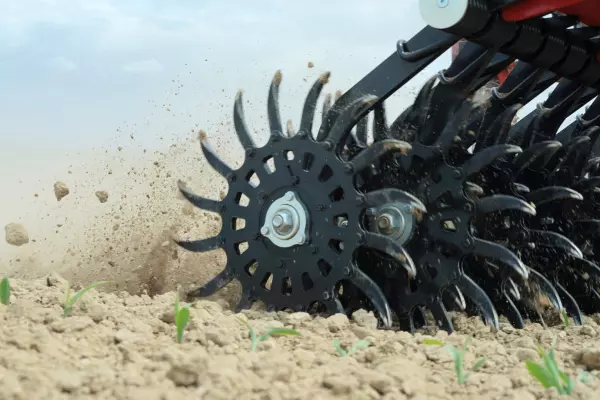
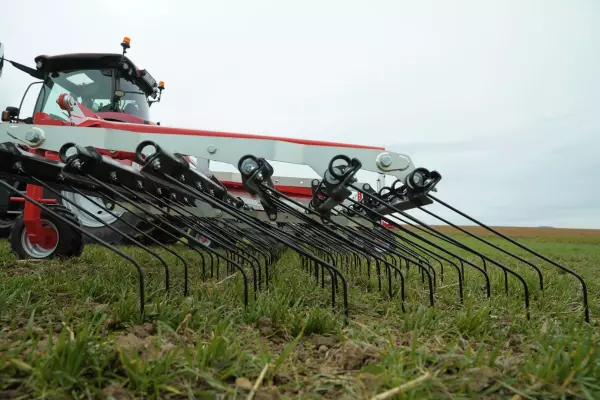
Mechanical weeding is a good supplement to chemical products, providing a solution to the above-mentioned issues. It is particularly adapted to dry conditions and can control weeds over the whole plot (row-crop cultivator, rotary hoe), or just between rows (tine weeder).
When done well, mechanical weeding can:
- Increase the efficiency of chemical weeding
- Replace a herbicide application, which reduces the TFI
Agronomic techniques as preventive measures against weeds
Preventive agronomic practices play a key role in sustainable weed management by reducing weed pressure before crops are sown. Techniques such as stale seeding, stubble cultivation, periodic ploughing, and crop rotation help limit weed emergence and complement curative methods for long-term control.
Stale seeding and stubble cultivation
Stale seeding is a technique that involves preparing the seedbed as for conventional sowing, but without seeding the crop. It stimulates the emergence of weeds which are then destroyed with a shallow-tillage tool or herbicide before the crop is sown. Stubble cultivation also stimulates weed germination, making it easier to destroy them before the next crop. Stale seeding and stubble cultivation contribute to reducing weed emergence in the crop.
The importance of periodic ploughing
Ploughing periodically (every 3-4 years) buries weed seeds deep down preventing them from germinating. Over time, some weed species (especially grasses) lose the capacity to germinate, which reduces seed stocks in the plot. The plot should not be ploughed too often though, as previously-buried viable weed seeds may be brought back up.
Intercropping and crop rotation
Intercropping and crop rotation are agronomic levers essential to weed control. Diversified rotations disturb weed reproduction cycles, reducing their development. Integrating spring crops in a rotation is another technique to diversify weed flora.
Covering the soil with fast-growing intercrops prevents weeds from developing and improves the structure of the soil.
Assessing failed weed control
Assessing failed weed control is crucial for adapting weed management strategies. Identifying the causes of failure, whether due to herbicide resistance, poor application, or difficult environmental conditions, allows you to put corrective measures in place. By understanding the reasons for failure, you can adjust your practices and avoid repeating the same mistakes.