
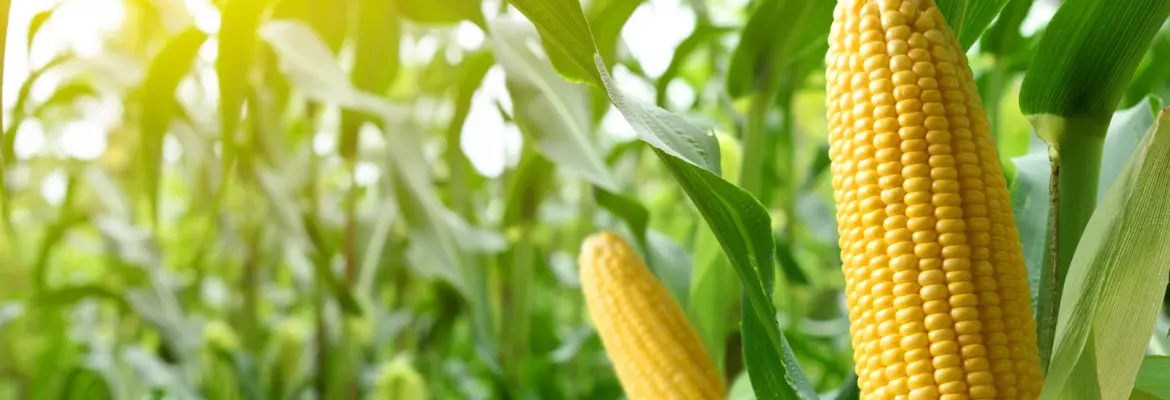
Weeds in maize: the most commonly found weeds (grasses and dicots), emergence periods and weeding strategies.
List of common weeds in maize:
- Winter grasses (ryegrass, vulpine)
- Summer grasses (panic grass, foxtail, crabgrass)
- Ragweed
- Orache
- Datura,
- Bindweed
- Mercuries
- Wild buckwheat, common knotgrass
- Xanthium
Different weeding strategies
Effective weed control in maize combines chemical, mechanical, and agronomic strategies to protect crop yields and soil health. Choosing the right approach depends on factors such as soil conditions, weed type, and timing to ensure sustainable and efficient management.
Chemical solutions
Chemical weed control in maize is generally carried out in one or two treatment applications. The first one before emergence or in early post-emergence. However, it requires good soil moisture to be effective. A later treatment can be carried out to eliminate any new weed growth.
Mechanical solutions
Maize is a crop that is particularly well suited to mechanical weeding. Being sown in wide rows (50 to 80 cm), it gives you a lot of flexibility in the choice of weeding strategy, whether chemical or mechanical.
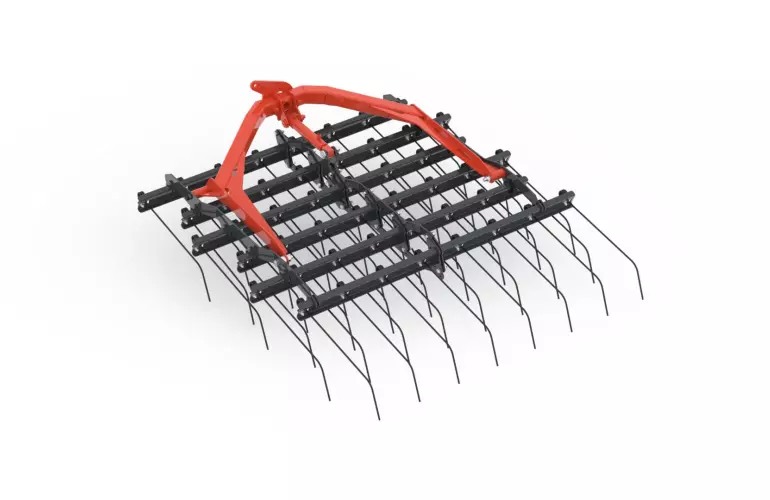
In dry years, when herbicides are less effective, tine weeding is very effective. Tine weeding also has many agronomic advantages, such as preserving the moisture in the soil and enhancing nutrient mineralisation.
For mechanical weeding to work well, however, it is essential to combat perennial weeds before planting the crop. Otherwise, tine weeding can split the rhizomes, causing the weeds to spread even more.
Agronomic levers
The long period before planting maize gives you time to clean up the plot. Combining cover crops and successive stubble-ploughing operations before planting the crop can destroy seed stocks and perennials, while creating a well-structured soil.
The stale seedbed technique is very common practice among maize farmers. It can be highly effective in the right conditions.
Delaying the seeding date for maize can easily prove detrimental to yield. However, it is possible to postpone it slightly in order to desynchronise weed emergence and destroy them before sowing. It is better to sow maize late rather than early.